
mariyam
mariyam fakhruddin khatibhaji , gujarat

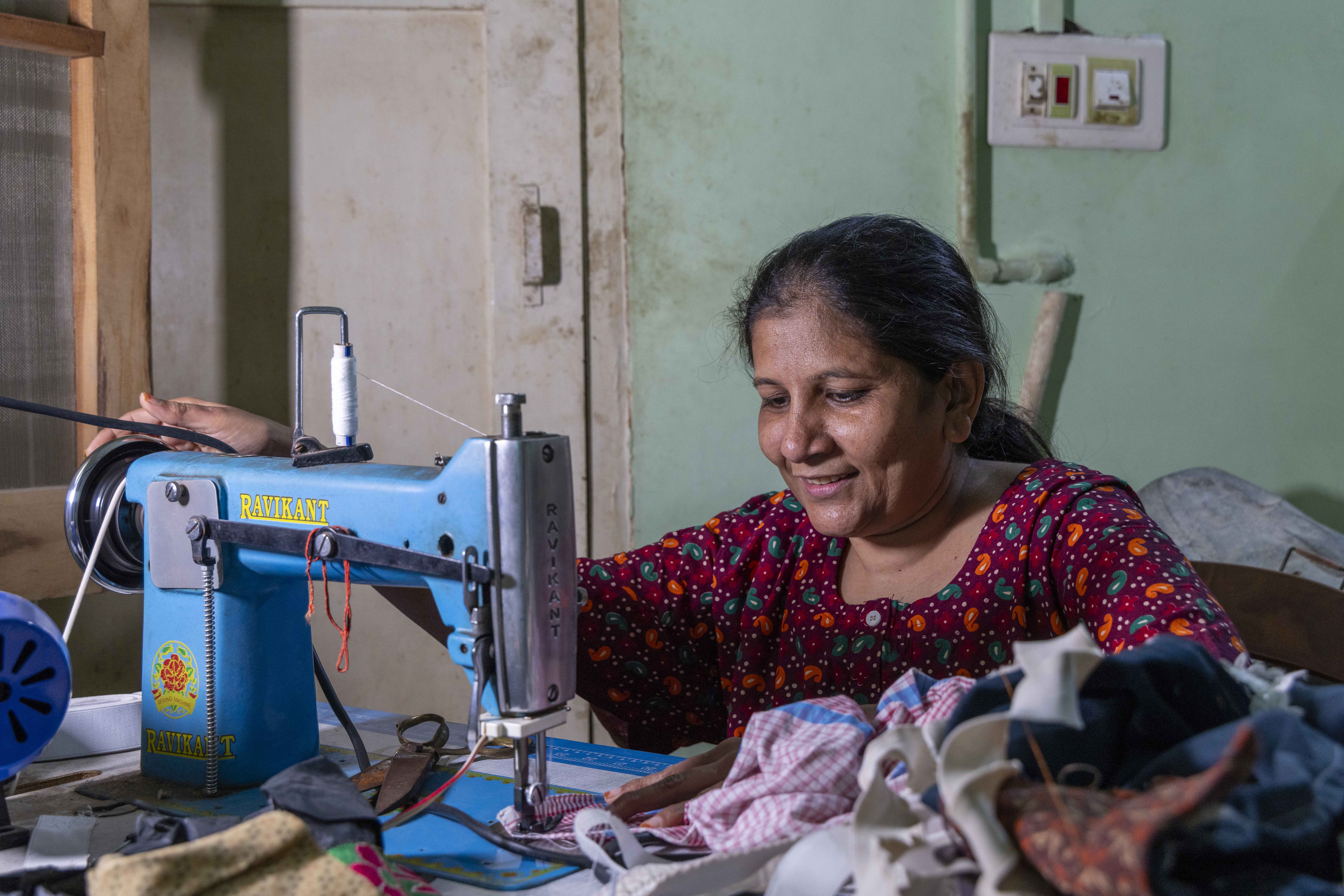

“I embroider, crochet, and paint on glass. But people see only my disability”
When Mariyam Fakhruddin Khatibhaji (46) was admitted to nursery school back in the late 1970s, her teacher told her parents she was “restless” and “unable to concentrate on one thing for long”. The term ‘attention deficit hyperactive disorder’ (ADHD) did not exist; it was coined only in 1987 (and known as ADD in 1980) although the symptoms of what was called “hyperkinetic disease” had been identified as far back as the early twentieth century.
Rashida Khatibhaji (75) recalls how she and her husband Fakhruddin Khatibhaji (77), who makes and sells photo frames, were living in Bombay (now Mumbai) at the time of their only child Mariyam’s birth. The vigilant teacher’s observations were validated as the little girl entered primary school. When she was in Standard 2 her parents consulted a doctor who told them she had a cognitive impairment, and diagnosed her with an Intellectual Disability (ID), a label that has stuck to her till date.
Mariyam did indeed have difficulties attending a mainstream school when the couple moved to Dahod in Gujarat to be with Fakhruddin’s parents Abbasbhai and Sakinaben who were alone and aging. She could only continue her studies up to Standard 3. Although she had problems with writing and memorising, a special school might have brought out her abilities and calmed her hyperactivity. She continued the rest of her life at home, however, basking in the love of her parents and grandparents (who are no more).
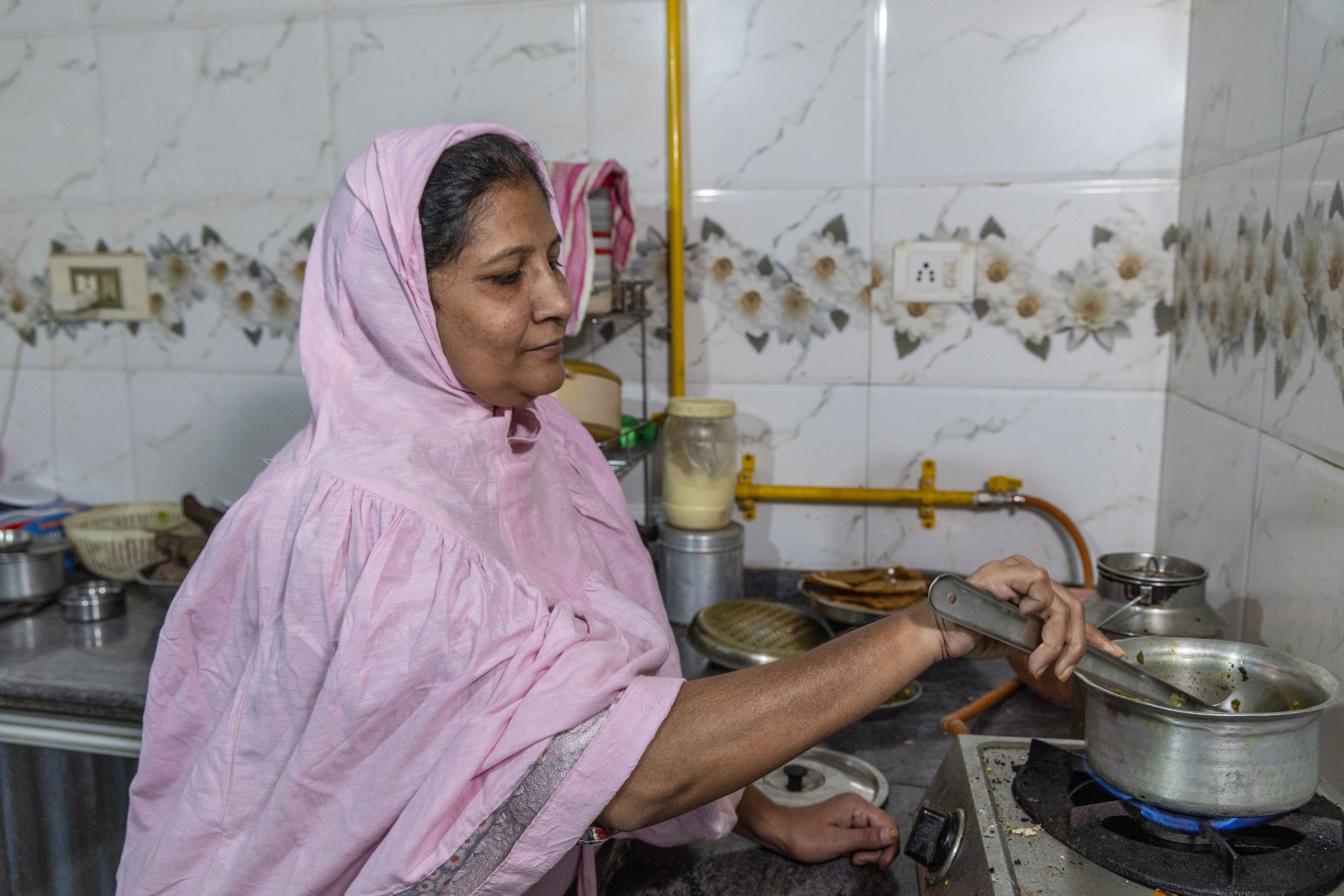
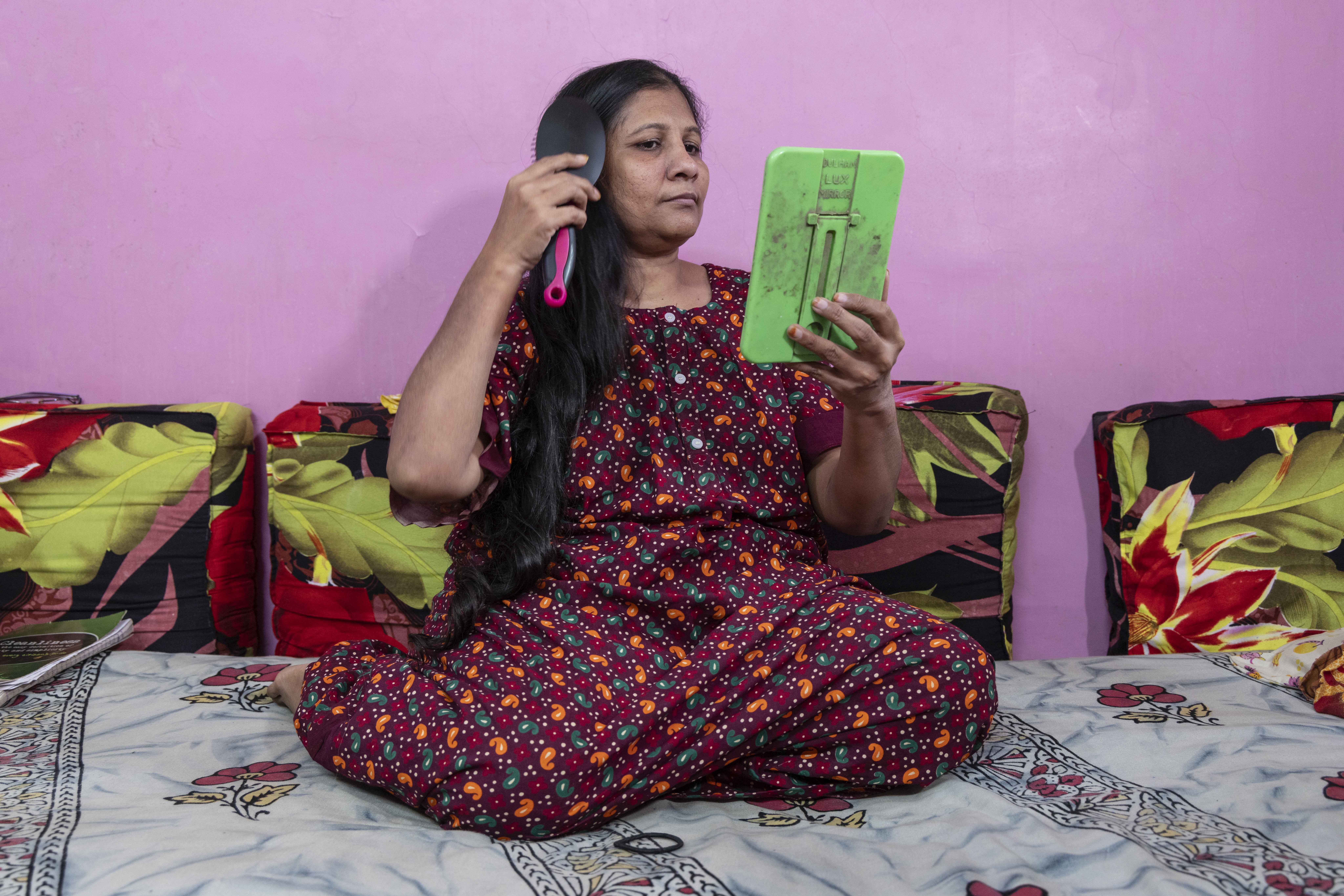
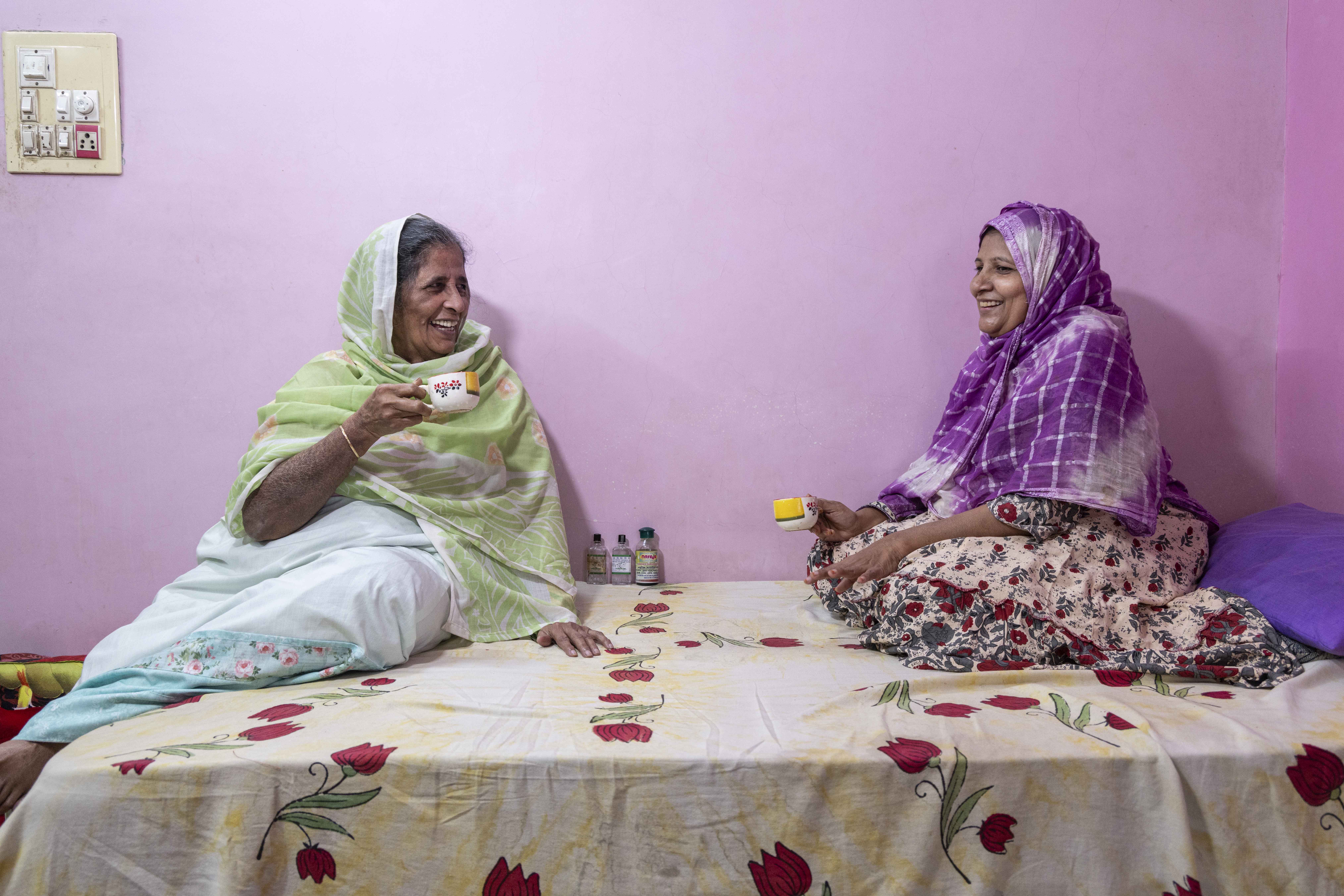
Mariyam learnt to take care of her daily personal and hygienic needs, clean her room, organise her wardrobe, and help her mother in household chores including cooking. When she was old enough to get married, her parents started looking for a suitable match. They were proud of the fact that their daughter could not only independently cope but also had an artistic bent of mind. However, society held on to its prejudices; people could not look beyond her ID and see her talents. She learnt embroidery, crochet, and painting on glass from their kindly neighbour Fizaben Khakariya (75) whom she is especially fond of, and whom she calls ‘nani’ (grandmother). In fact Mariyam loves spending time with Fizaben and prefers her company to that of younger people who, she feels, don’t treat her with the same consideration and understanding her nani does.

When our EGS interviewer spoke to the family they had just celebrated Eid. Mariyam enjoyed the festivities wholeheartedly and loved trying out the new clothes her parents had bought her for the occasion. Watching Hindi TV serials is her favourite form of entertainment, and when she goes out with her parents she cannot resist stopping by a pani puri stall!
If Mariyam had been born in this century, she might have benefitted from a better support structure – appropriate education, behavioural and occupational therapies to manage her condition, and skill development to bring out her hidden abilities. Even now it is not too late for her to generate income from her craftwork, which would take her one step closer to a future of independent living.