
ifla
ifla and mehran syed , jammu & kashmir

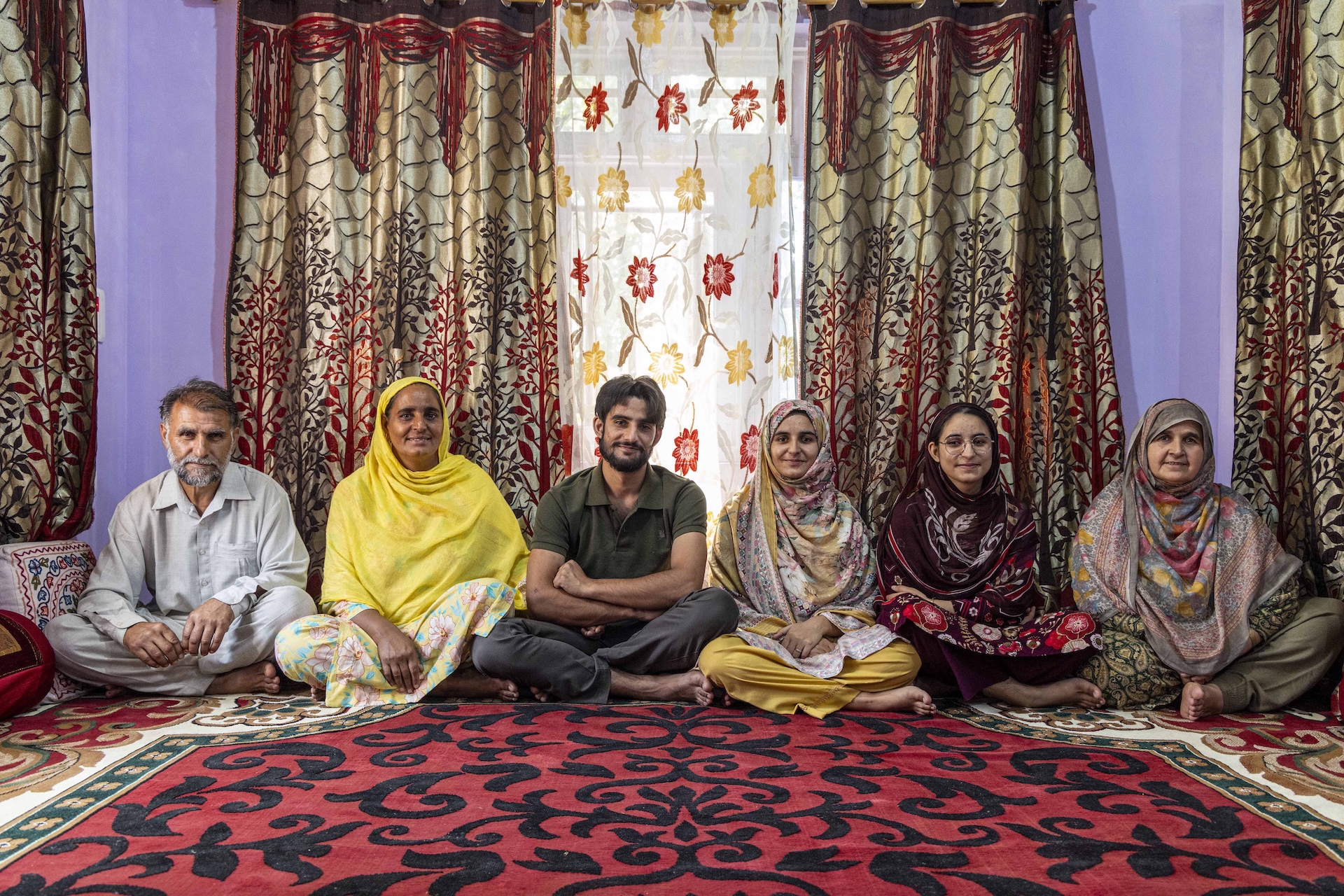

“We want to be independent and find good jobs but we have no one to guide us”
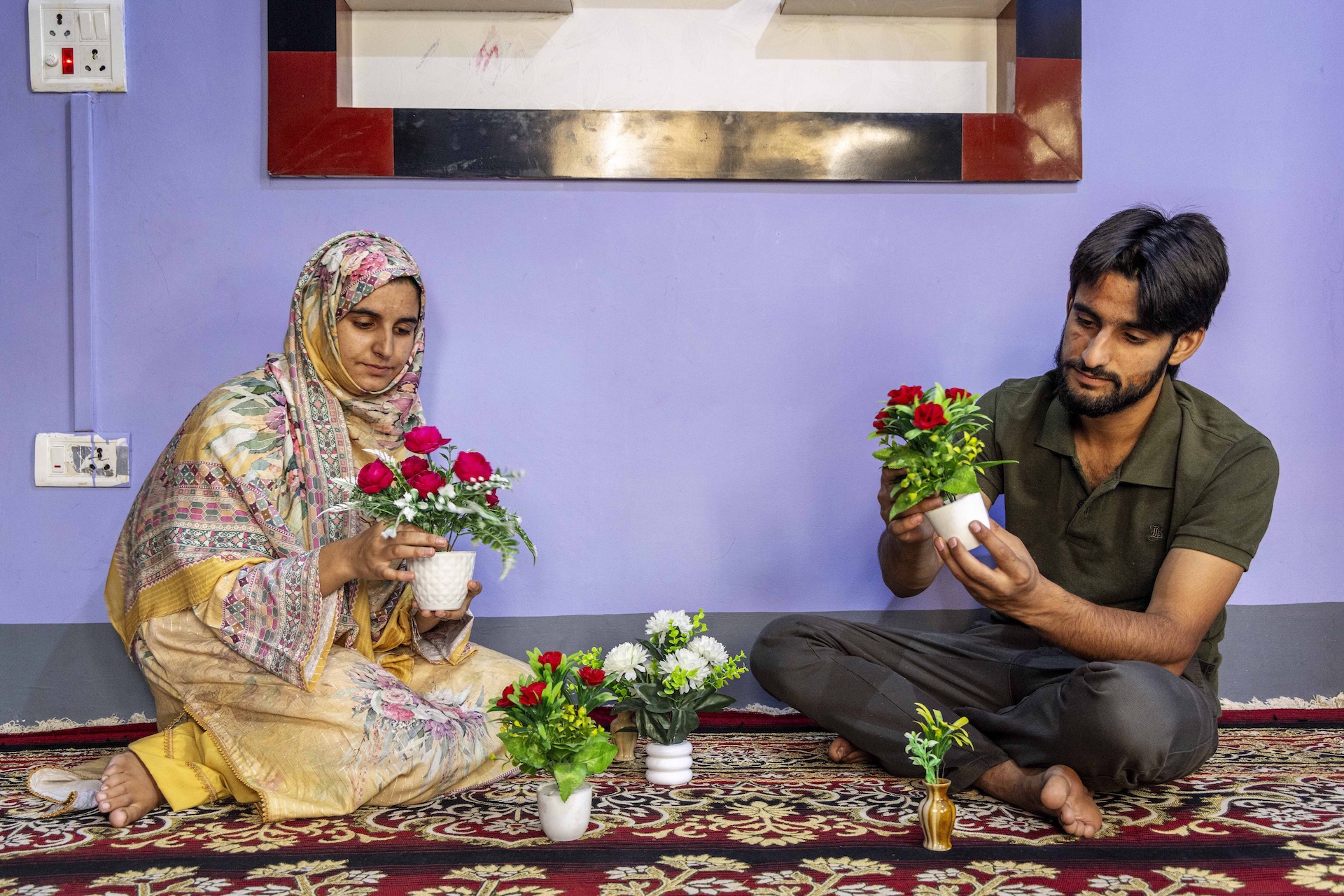
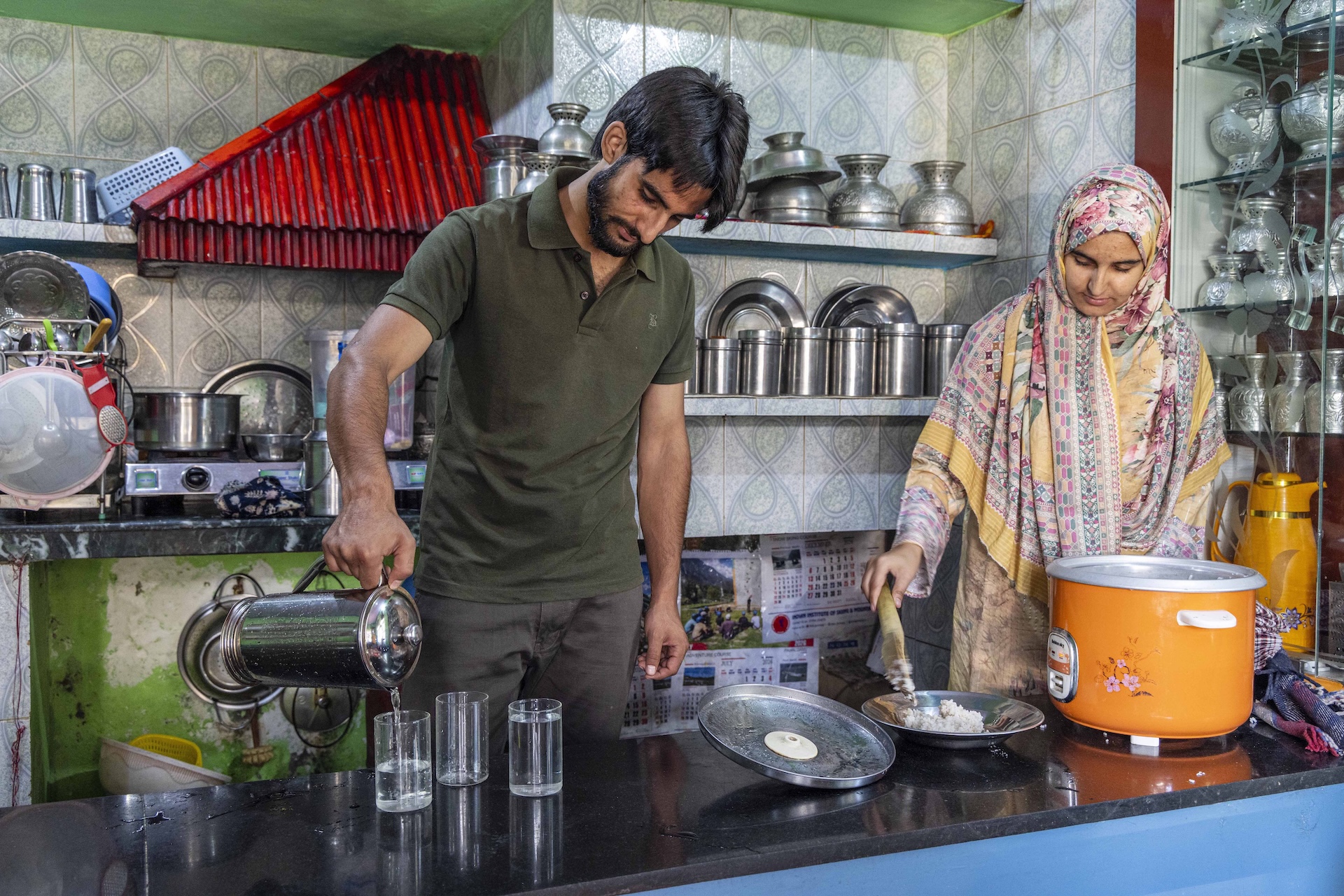
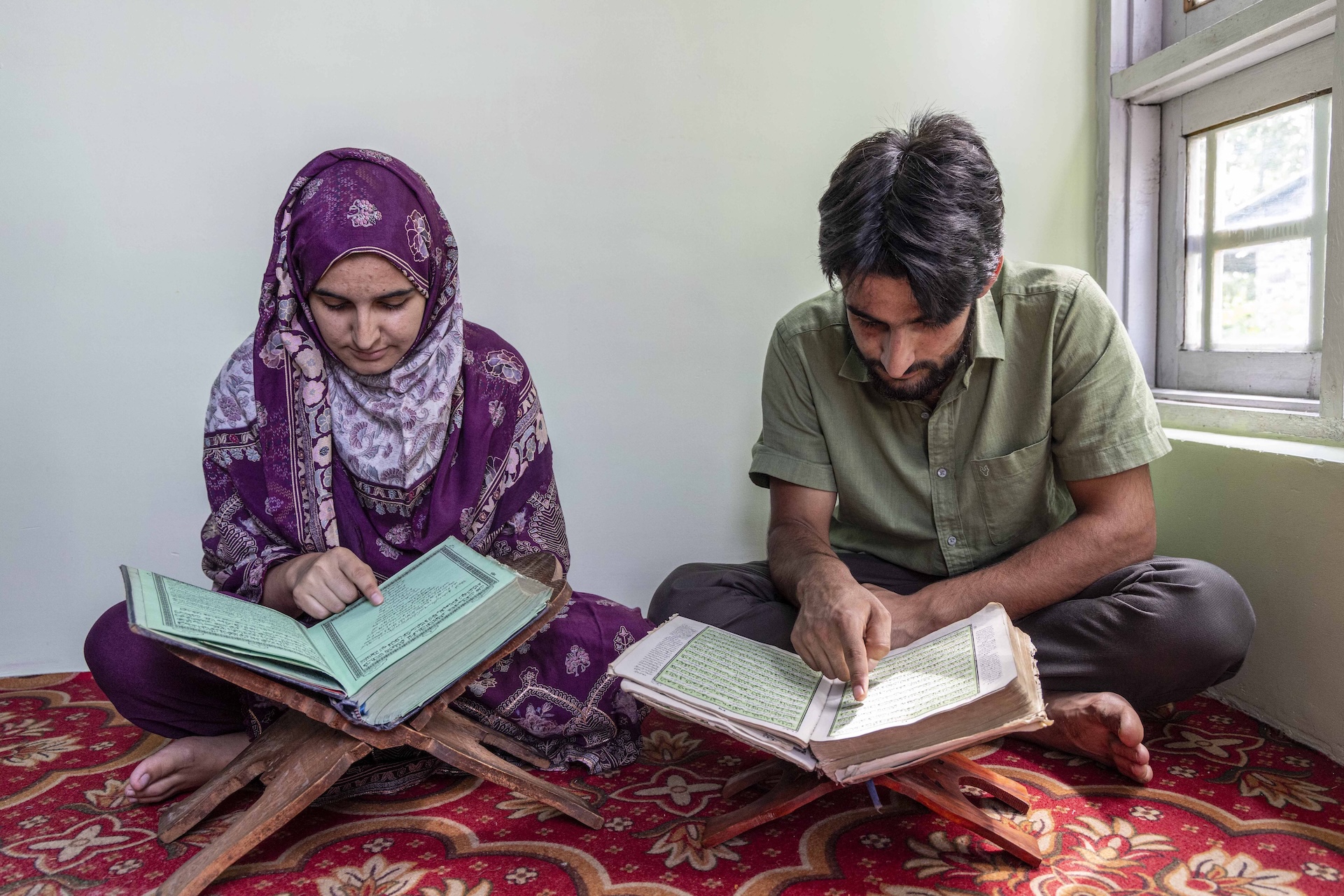
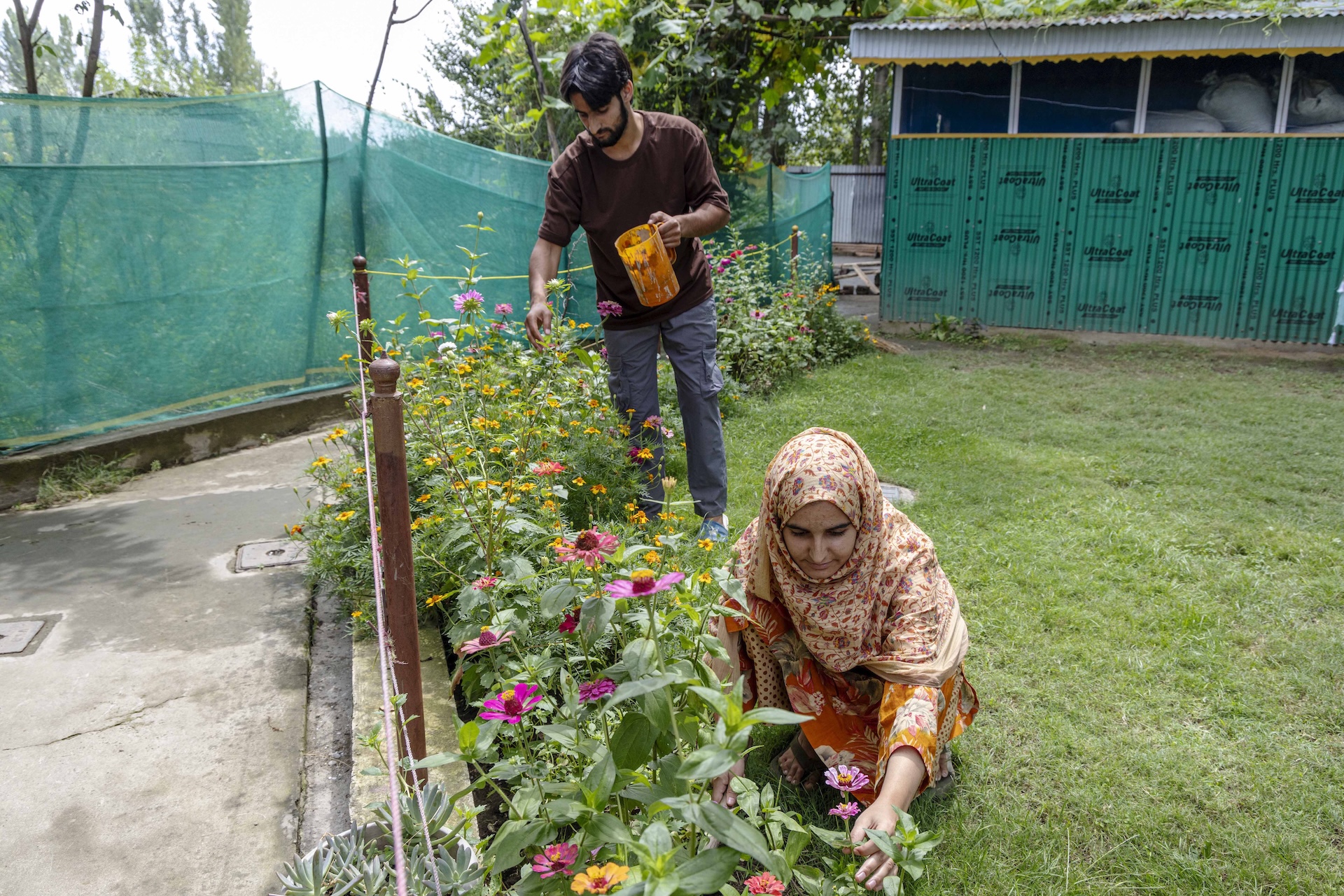
In 2004 when Mehbooba and her husband Mohammed Syed Bhat, a farmer from Pethbugh village in Kashmir’s Anantnag district, had their first child, they named her Ifla, which means success in Arabic. She was a toddler when a close relative noticed that she wasn’t responding to sound. The parents tested her hearing by making different loud noises such as rattling kitchen utensils close to her ears but she didn’t react. They were disheartened when they realised she couldn’t hear. And when Mehran was born a year later their cup of sorrow overflowed when they discovered that he, too, was born with the same disability.
Living in a village with a population of a few thousands, far away from, and unaware of, any form of support for the disabled, the couple could only imagine a dismal future for their children. But gradually they realised there was no point in sighing and crying over their fate. Mehbooba would watch schoolchildren passing by their home and ask her husband, “Why can’t our children too go to school like them?” Her determination was infectious; Syed too decided to somehow educate them despite his struggle to put food on the table.
At first they admitted Ifla and Mehran to a school under the Sarva Shiksha Abhiyan. Then, in around 2009, they came to know about Javed Ahmed Tak’s Zaiba Aapa Institute of Inclusive Education in Bijbehara. But there was a major obstacle: transport. The school was nearly 18 km from their home in Pethbugh. Mehbooba demanded why they couldn’t move to a city for better opportunities but Syed swore: “I will find a way to convey them to this school even if it means having to sell my land to afford their fees and transport.”
Taking the kids to school meant dividing the commute into two halves. At first they would go to the district headquarters Anantnag either by sharing a taxi or getting a lift from someone. From Anantnag if they missed the taxi that would get them to the school on time they would once again try asking for a lift or find some other mode of transport or even walk part of the distance. Despite these difficulties the couple considers itself fortunate that they found a school that could support their children living in a relatively remote area.
Ifla and Mehran studied there until Class 8. Meanwhile, the couple had had another daughter, Saboora, who could hear and speak; she is now 15 and preparing for her Class 10 board exams. In fact it was Saboora who, along with her father, answered our questions about her siblings. The family communicates by signing, she told us.
After Class 8, another important decision lay ahead of them. A family acquaintance had a daughter who was also deaf and unable to speak. Together, the two families decided to send the three children to Kashmir’s oldest special school: Abhinandan Home in Rambagh, Srinagar, meant for students with blindness, deafness, and visual and hearing impairment. They studied there till Class 12.
Ifla and Mehran have keen interests beyond their studies too. Sports and arts have led them in different directions: Mehran loves playing badminton and likes cricket too; Ifla is good at sketching, drawing and designing. Both, however, are united in their strong desire for employment (preferably in government jobs) and financial independence. Class 12 was not the limit of their education. Mehran has done a data entry course and is going through distance learning via IGNOU, the national open university, while Ifla is pursuing a one-year Industrial Training Institute (ITI) course.
The main roadblock for the siblings is the lack of easy access to specialised guidance. There was no one to advise them on the best paths for their careers and higher education, and so they took to navigating the systems themselves. They rely heavily on a shared mobile phone to watch informative videos and hunt for opportunities for education and employment. Syed’s biggest wish too is that Ifla and Mehran find good jobs and not have to pursue the family occupation of farming. One hopes they achieve “ifla” – success – in the years to come.