
hiral
hiral kanaksinh , gujarat

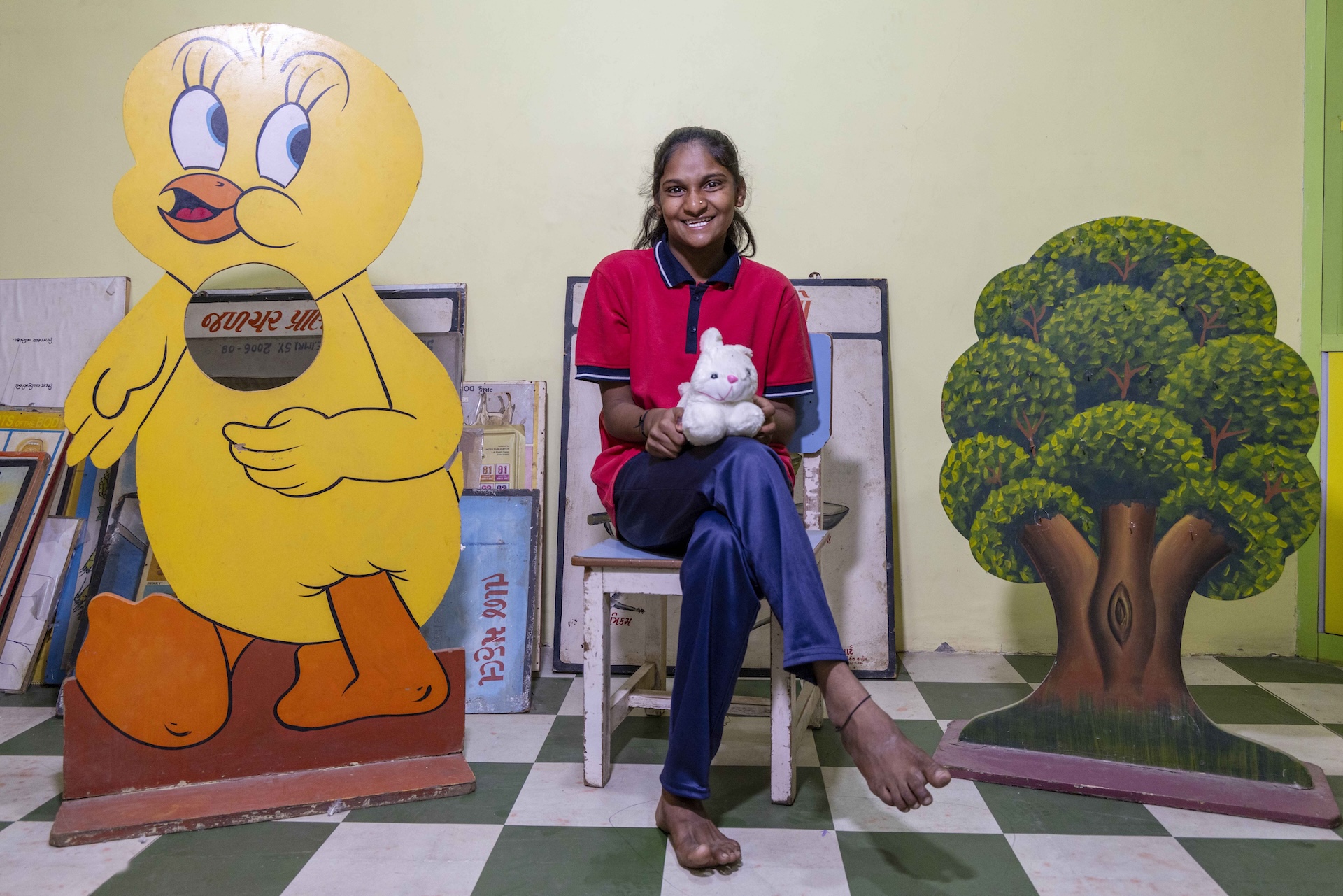
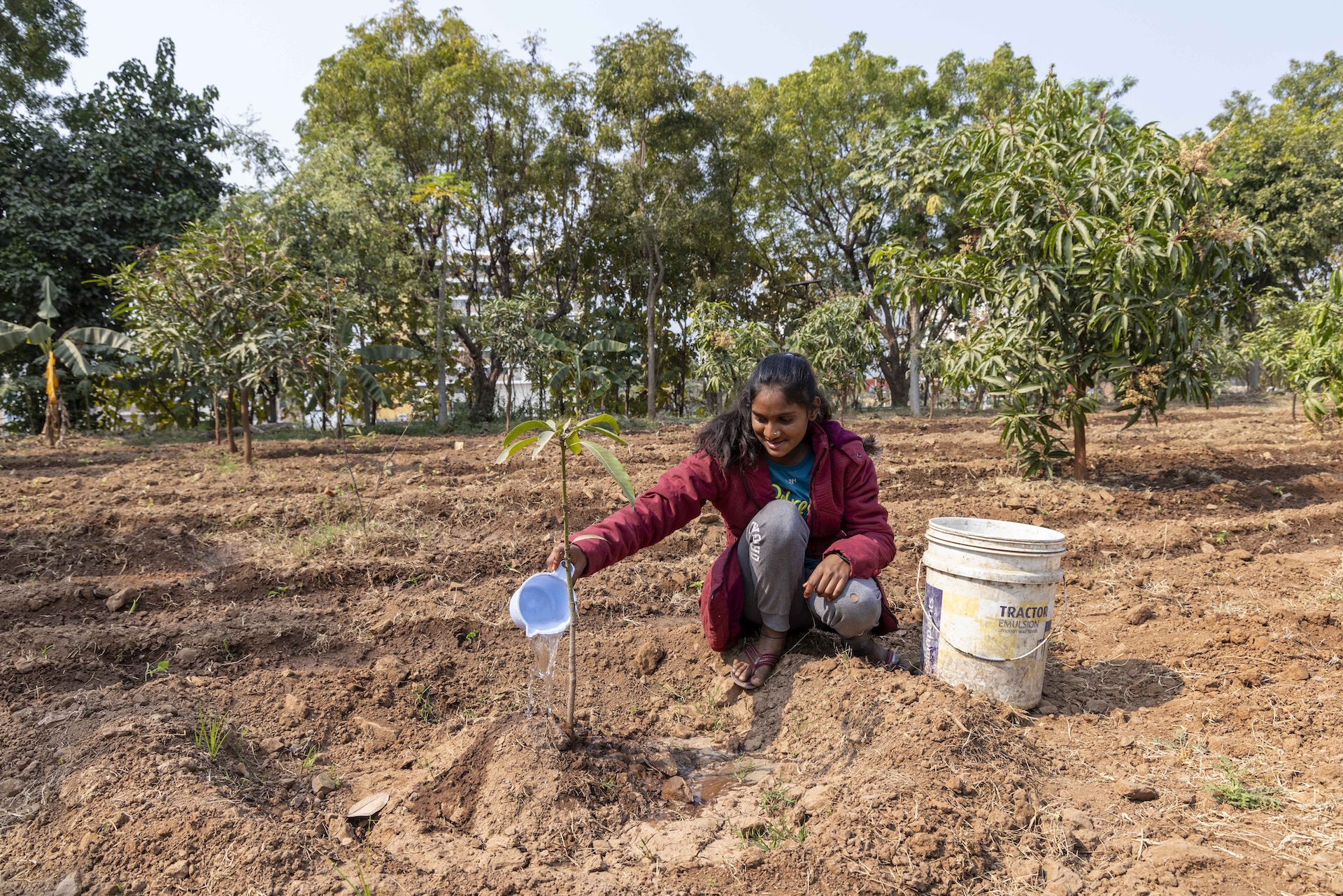
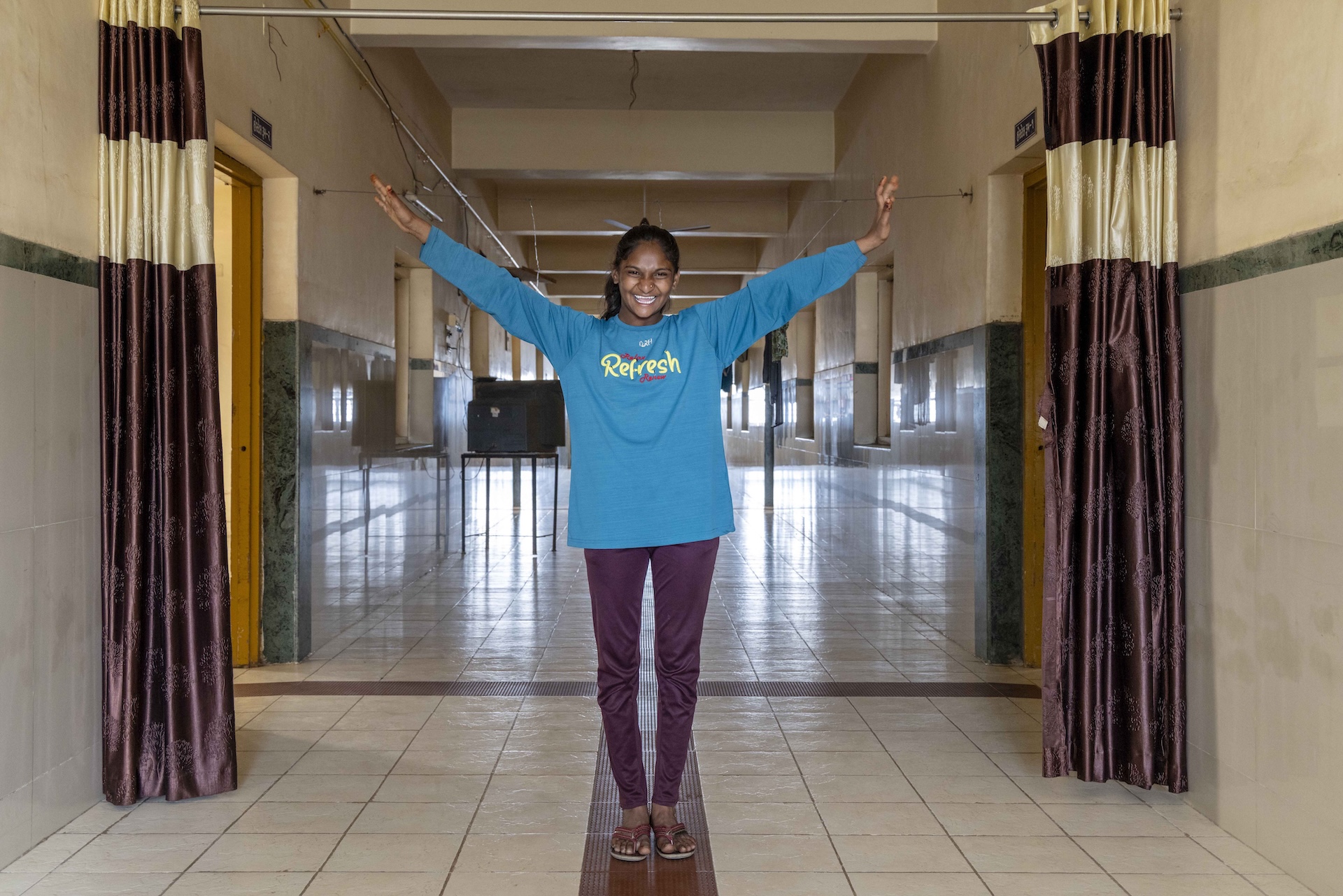
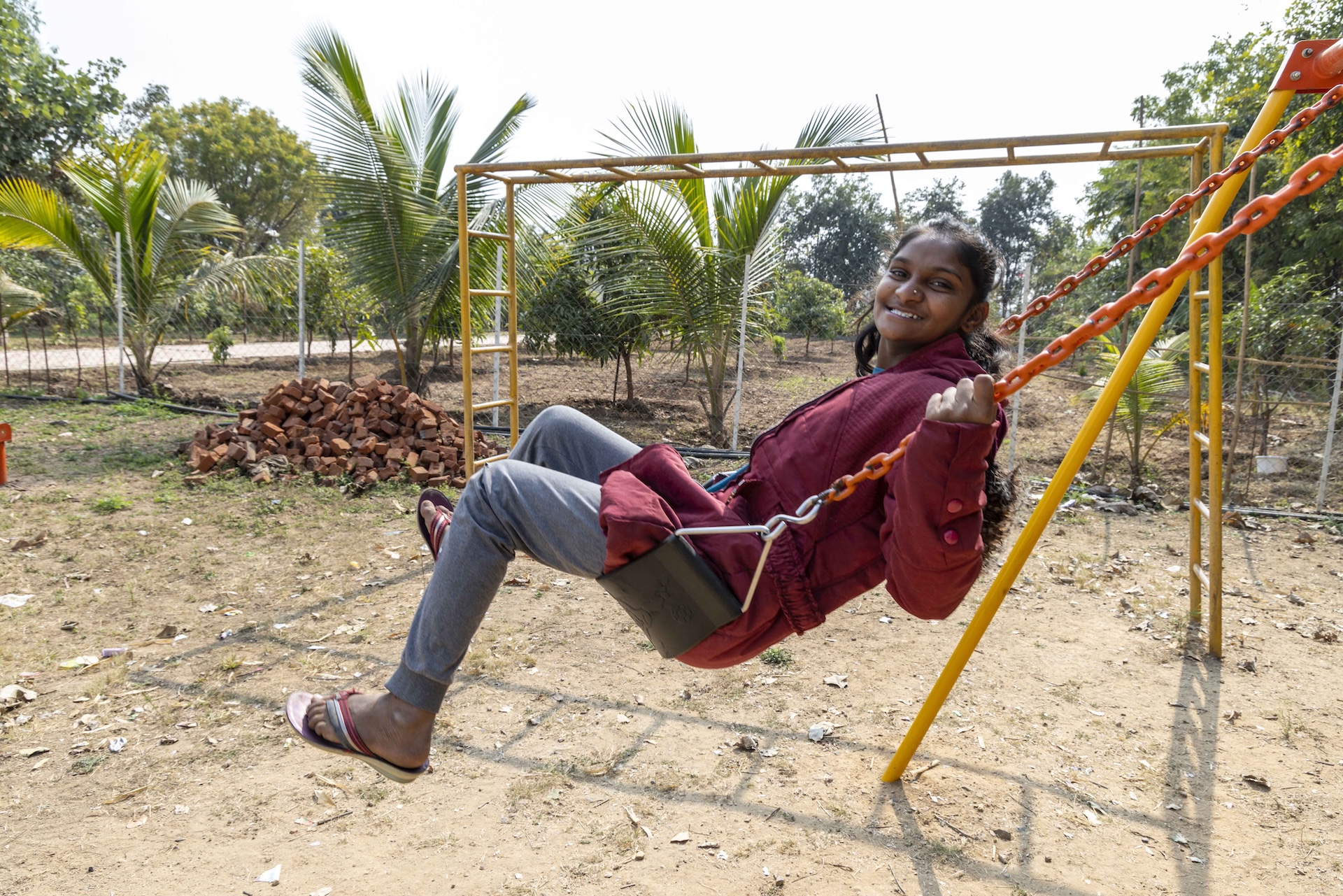

“I like eating chatpata food! Although my right side is weak I can manage on my own”
A couple living in utter poverty – daily wage labourers, both. Husband with a drinking problem. Wife struggling to make ends meet and raise their three children – their firstborn, a nine-year-old girl named Hiral, affected by a congenital disability, and their two sons. This was what staff members of the Blind Welfare Council in Gujarat came across in 2019 while doing one of their periodic surveys of disabled children in the tribal and deprived regions of Dahod and Panchmahal.
Hiral Kanaksinh is now 16 and flourishing in the residential school of the Council, founded by Yusufi Kapadiya, a philanthropist with blindness whose remarkable story we published several weeks ago. Yusufi set in motion numerous initiatives to provide education, rehabilitation and support services for the disabled. One of the most vital among them has been the creation of a pool of special educators, a sorely needed resource in our country. He started a training college to develop skilled manpower for working with children with disabilities.
The Blind Welfare Council’s school houses 102 children (with boys numbering twice as many as girls) with different physical, intellectual, developmental and neurological disabilities. They receive free food, accommodation, education and medical care as well as vocational training according to their abilities. Those with deafness and impaired hearing are taught using Sign, models and charts.
The school principal, Radhika Singh, who has been working here since 2002, tell us the school’s objectives go far beyond textbook learning; the focus is on life skills: personal hygiene and self-care; basic communication and social interaction; simple vocational and household tasks; creative expression through art, craft, and movement. Children live on campus full-time, returning to their families only during major festivals and summer vacations. For many poor families such as Hiral’s, this arrangement provides both relief and hope.
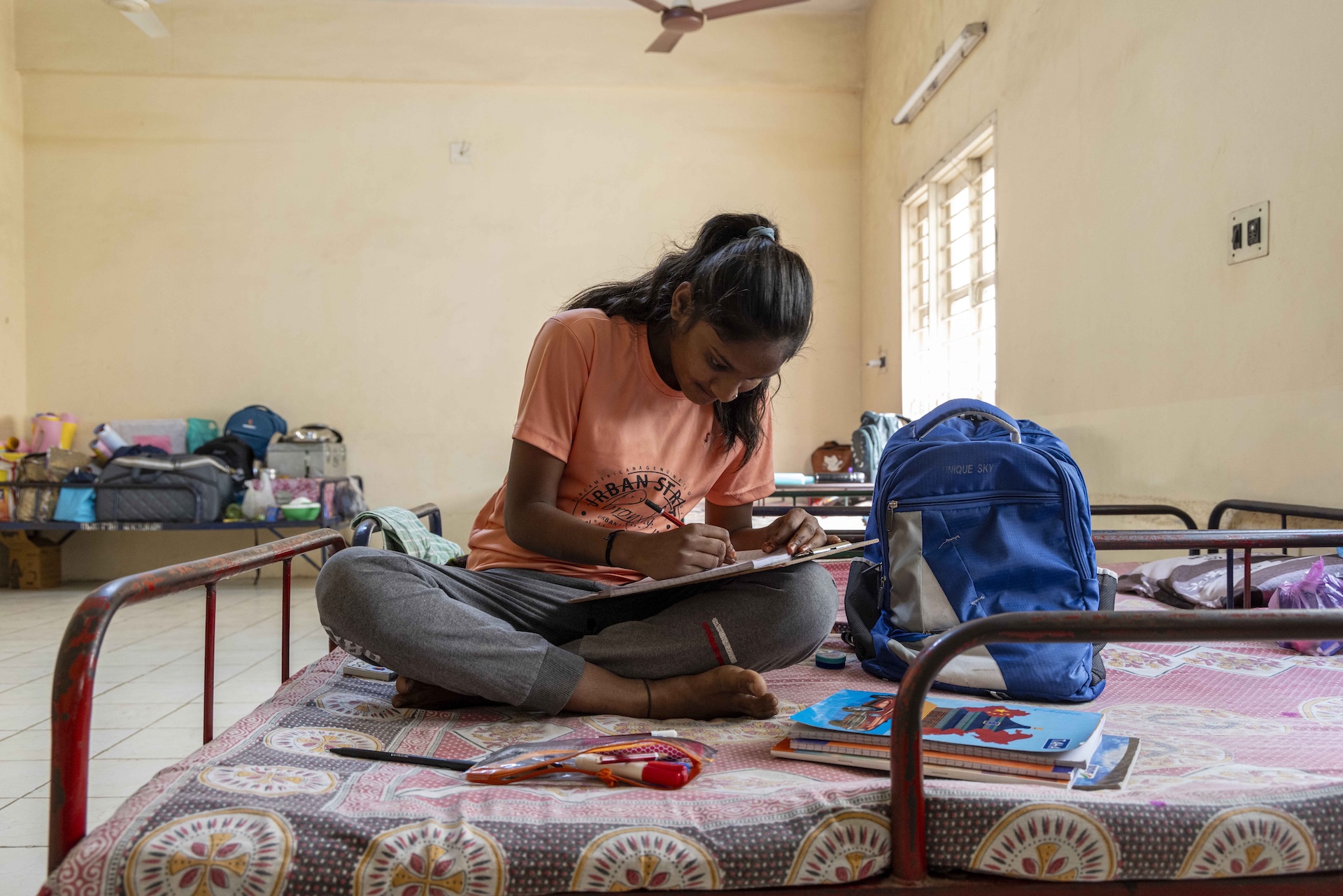
Hiral has a mild form of cerebral palsy which is accompanied by hemiplegia (paralysis on one side of the body). Her right side has been affected and so has her speech, although she can express herself intelligibly. She communicated with us by using Radhika as the medium. Radhika tells us Hiral is in the educable group at the special school, and has reached the secondary level. Although she is hemiplegic she can do all her work unaided. She also helps in taking care of other children in the hostel. “I like maths very much,” says Hiral. “I love dancing to music!” And what tickles her palate? “I eat everything but I prefer chatpata (spicy) food!” When asked what she plans to do after finishing school she says, “I haven’t decided about my future as yet.”
Whatever she might decide, the dedicated teachers of the Blind Welfare Council will surely guide her in the right direction.