
habeeb
habeeb c , kerala

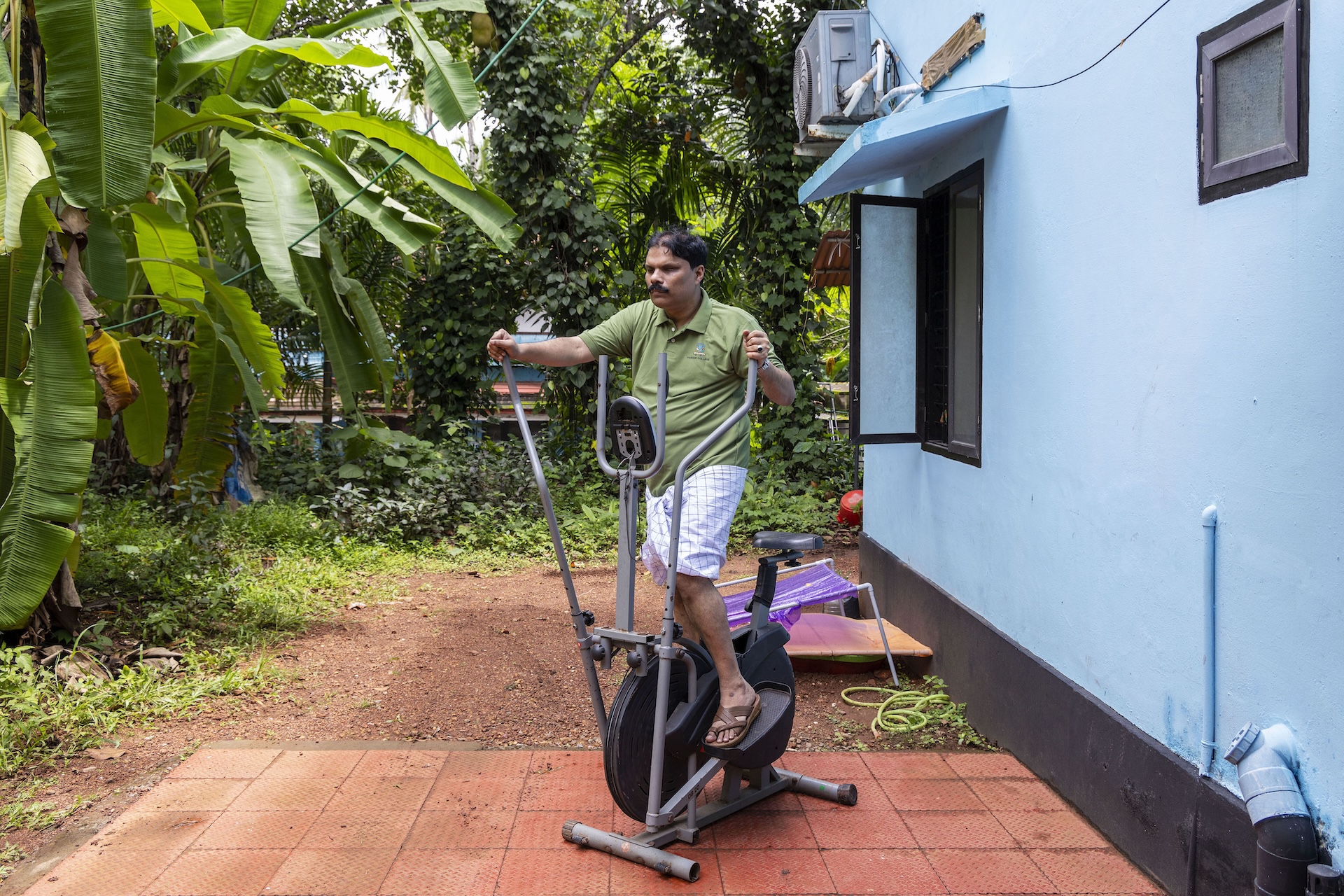

“Tech gives Blind persons great support, but it’s tough to convince society of our potential”
Ten years ago the Jawaharlal Nehru Stadium in Kochi was abuzz with an India-Pakistan match. It was the T20 Blind Cricket Cup finals played as usual with an audible ball with bells attached. The crowd rejoiced when India won by 45 runs but few were aware that the cricket commentator had 100 per cent blindness.
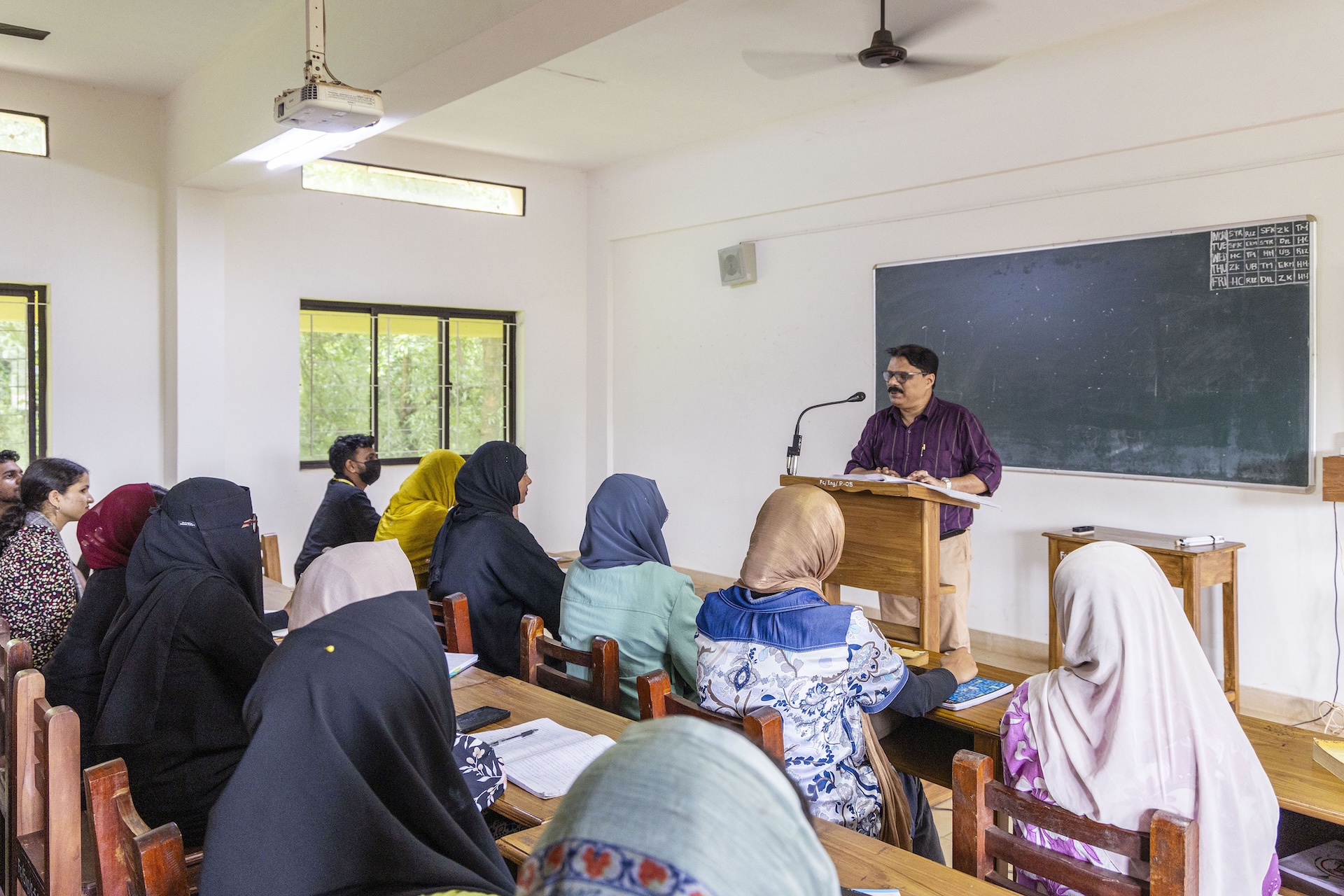
He was Habeeb C, an active player of adapted cricket and chess during his school and college years. Dr Habeeb (43), currently Associate Professor and Head of the Postgraduate and Research Department of English in Farook College, Kozhikode avidly follows all major cricket and football events. He continues to commentate for blind cricket matches – “when time permits”, he adds, for his life is filled to the brim with teaching and activism.
“Both my father and his father were trade union activists,” says Habeeb as he recalls his childhood. He and his twin brother Akbar were born with blindness in 1983 to a farm labourer from Kunnathidavaka village in Kerala’s hilly Wayanad district and his wife who hailed from Thrissur in the plains. When the twins were around six, a guidance counsellor, Muhammed Haneefa, suggested they join Rahmaniya School for the visual and hearing impaired. Since it was too far for a daily commute they stayed in the hostel. They joined school in 1990 when they were seven, and in seven years had completed seventh grade.
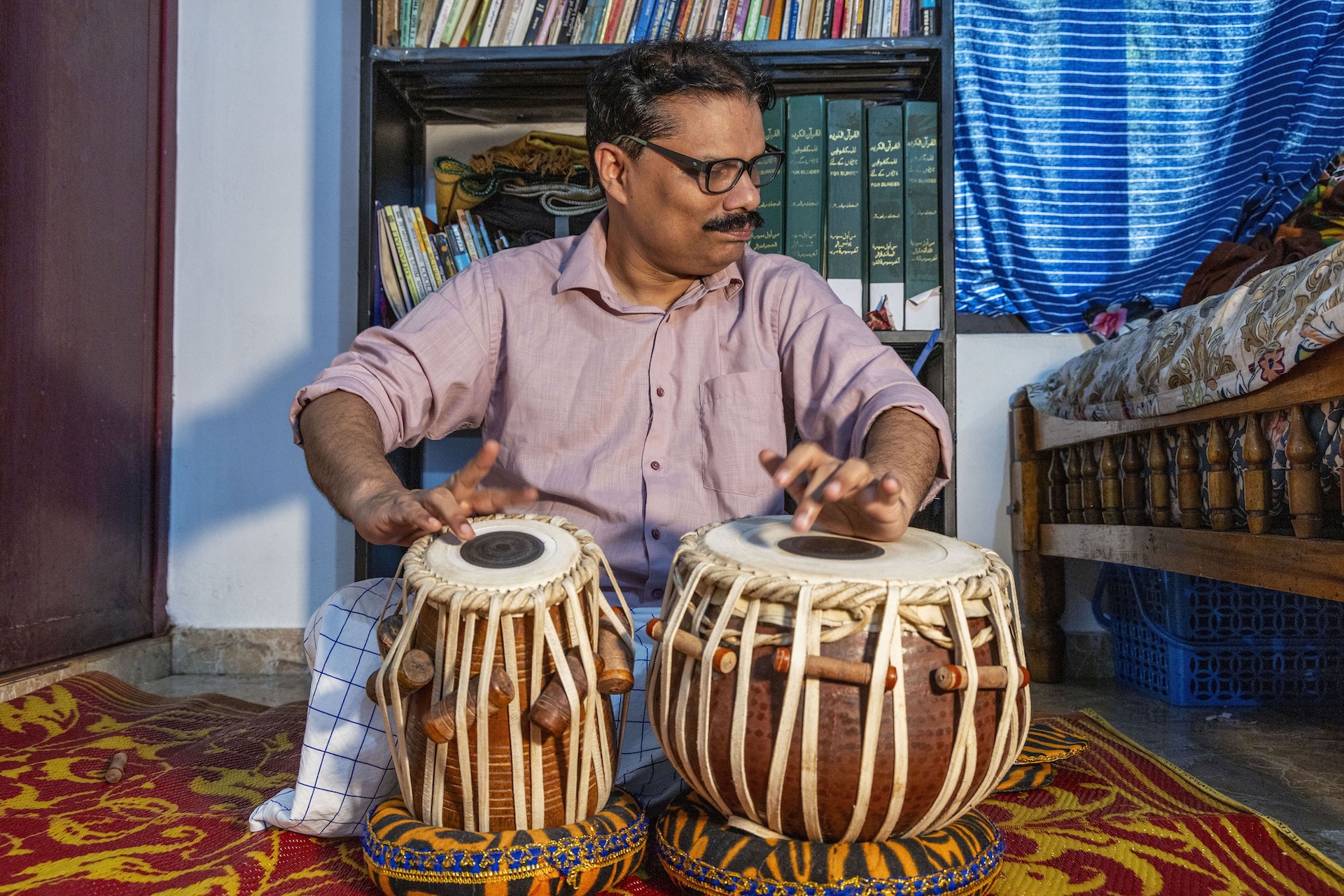
“We were physically tiny but were good-looking and agile!” he says. In 1993, the popular Malayalam daily Manorama published a feature titled “Twins showing light in darkness”, much to the delight of their parents. In school they learnt Malayalam, English, Hindi and Arabic in Braille. One of their music teachers, Usha Narayanan, identified their singing talent and taught them classical music while another teacher taught them Hindi songs. Akbar learnt the harmonium and Habeeb the tabla.
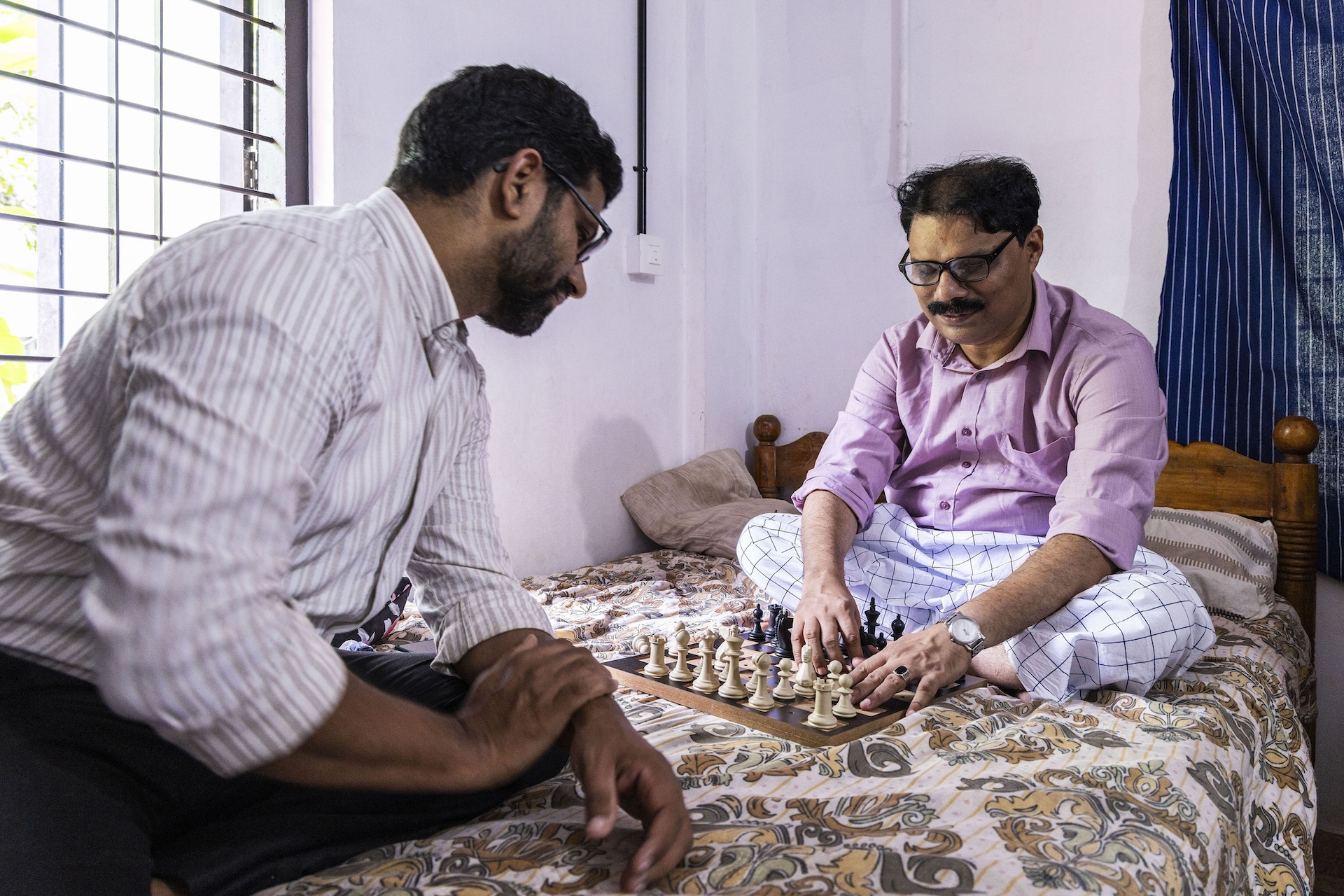
Habeeb was into sports as well. “Initially, chess was my favourite; I secured third place in an Open South Zone Blind Chess Tournament in Coimbatore in September 2005,” he recalls. “Then in seventh standard my teacher, Abubacker M, introduced me to cricket.” The twins had also been featured on All India Radio and participated in state-level events for the Blind.
They experienced a sea change when they moved to a mainstream school in eighth standard. Their KSRTC bus journey to Nirmala High School in Thariode took nearly 40 minutes. The school had no Blind students but the teachers were helpful, says Habeeb who secured 550 marks out of 600 for SSLC. After 10th standard, the twins, whose leanings appear to run on parallel tracks, both wanted to take up Humanities for Plus 2 but their school, WOHSS Pinangode, had no permission to upgrade beyond 10th. So the brothers wrote a letter to then chief minister EK Nayanar and voila! The school was given the okay. To learn their lessons they paid a reader to read aloud books not available in Braille. Habeeb got 84 per cent with fourth rank in the State while Akbar scored 82 per cent.
The brothers descended from the hills to the seaside as they joined Farook College where both took up English Literature. Habeeb narrates how their friends would read textbooks aloud to them. “I bet one such friend I would get first rank in English Literature in Calicut University and I did!” But success arrived only after overcoming financial challenges.
It was hard for the twins to make ends meet although the Kerala government provided hostel grants and covered basic tuition expenses through its scholarship schemes. They applied to the Foundation for Academic Excellence and Access (FAEA) for a scholarship, and succeeded. They received around ₹25,000 annually along with a computer each, right through their B.A. and M.A., which was crucial for meeting their incidental academic and living expenses. In fact their scholarship enabled their younger sister Habeera also to study, as a hostel-resident, in Farook College.
Habeera, who has a Masters in Chemistry, was teaching in an international school in Jeddah and is now considering settling in Wayanad. Akbar is Assistant Professor at Government College, Malappuram. Habeeb joined as lecturer in his alma mater on 15 November 2010. He was awarded a PhD in 2018 and his doctoral thesis focussed on how Blind characters are represented and constructed in fiction. As Research Supervisor he now guides students in their PhD theses.
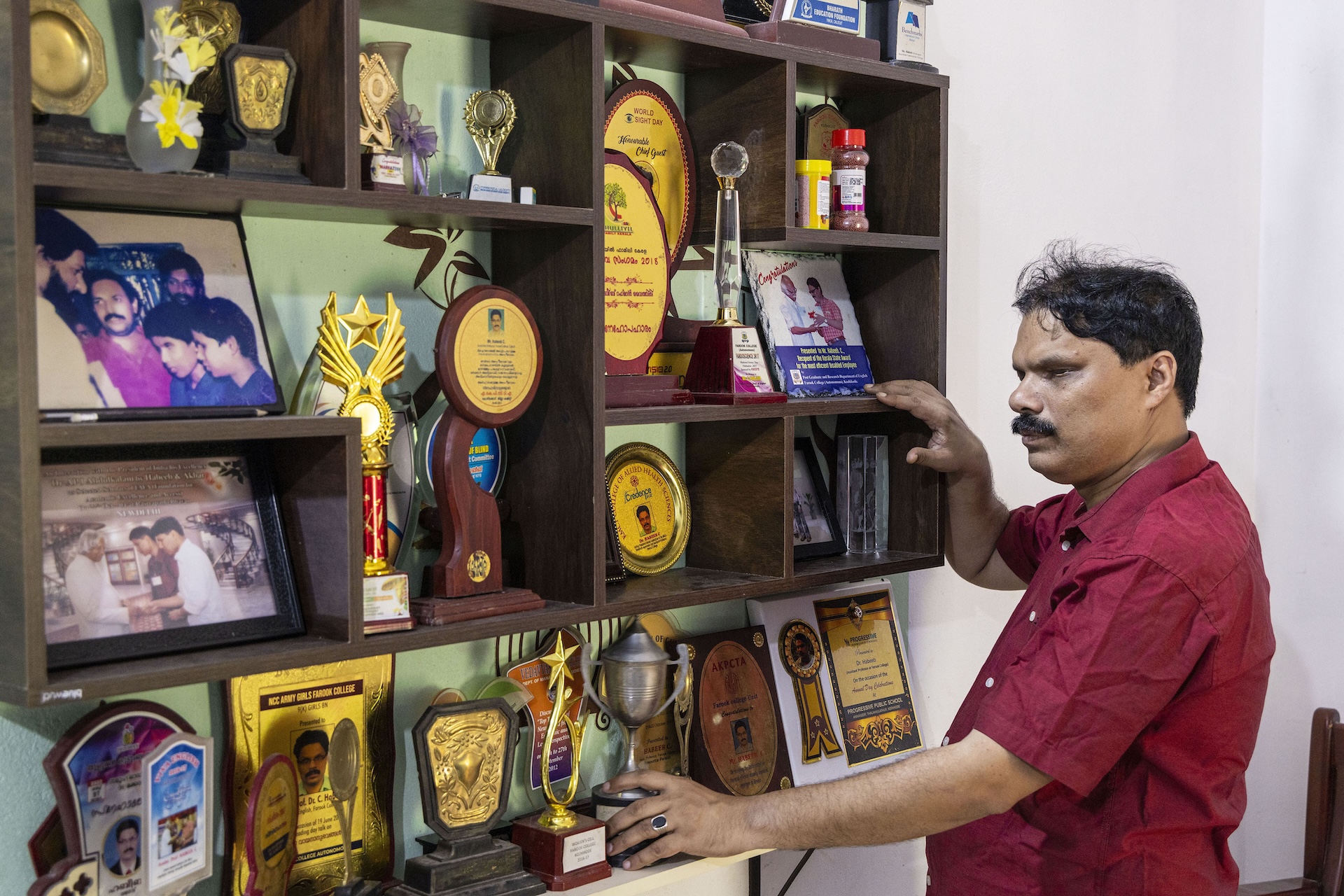
Habeeb has long been a disability rights advocate, particularly for the Blind community. He serves as an Executive Member of the All India Confederation of the Blind (AICB) representing Kerala. He has been an active member of the Kerala Federation of the Blind since 2014, and was its president for 10 years until January 2026. He also shares disability-related information with 700 people on his social media platform. But when it came to marriage, his impressive credentials cut no ice with bridegroom-seekers, each of whom shied away once they knew about his blindness. Habeera then contacted the family of Ruksana, who had an M.A. in English Literature. Ruksana, impressed by Habeeb’s education, was not dissuaded by his disability. Her family got over their initial fears after interacting with him.
“He is a perfectionist and I was the total opposite,” says Ruksana. “But we made adjustments to fit into each other’s lifestyle.” Habeeb says, “My wife and I share our thoughts and our responsibilities,” adding, “as and when I get the time.” And that is Ruksana’s only complaint. Although she admires his “commitment to work” she says, “He is always busy and I miss him when he is away from home.” They have three sons for whom Habeeb chose double-barrelled names starting with ‘A’. He describes each of them in pithy phrases: Aamir Zayan (12) is “disciplined and devoted”; Amal Zidane (10), “talented and eccentric, loves nature and farming”; and Aashir Zayan (5) “rules us all!”
Reflecting on how technology has transformed Blind people’s lives, Habeeb points out how the mobile phone and AI have been immensely useful to him. But social attitudes haven’t caught up with our progressive laws. Once he was about to board a train when passengers, seeing his white cane, told him, “This is an air-conditioned coach, not yours.” When his mobile bank account was blocked the very next day after he had opened it, he confronted the manager who gave him the reason: “because you are blind”. Only when Habeeb threatened legal action did he hastily apologise and make amends.
“You will face challenges because of your disability and society’s prejudices,” is his message to persons with disabilities. “But if you take time to ponder, there is a solution for everything.”