
aman
aman kumar nitinbhai , gujarat

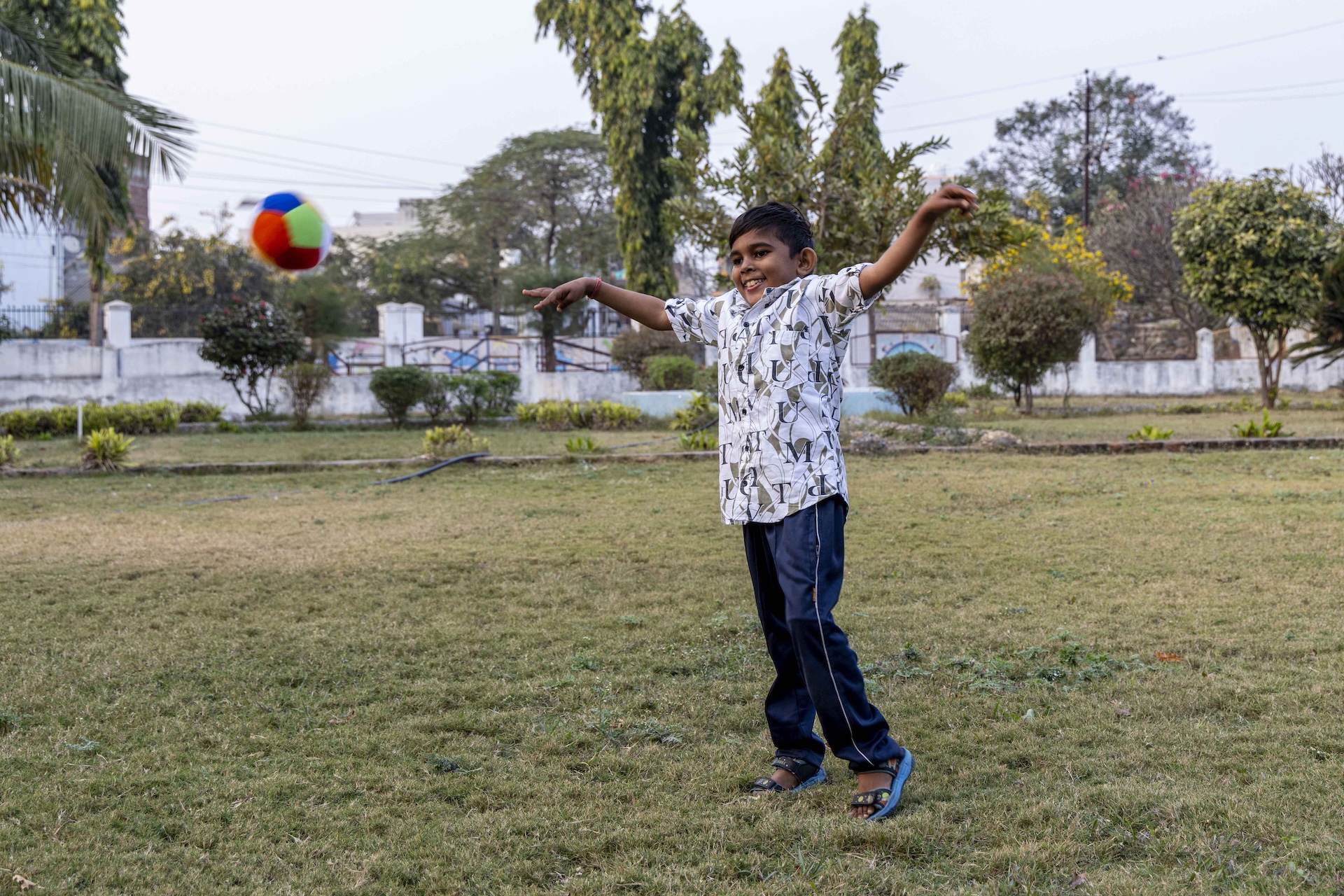
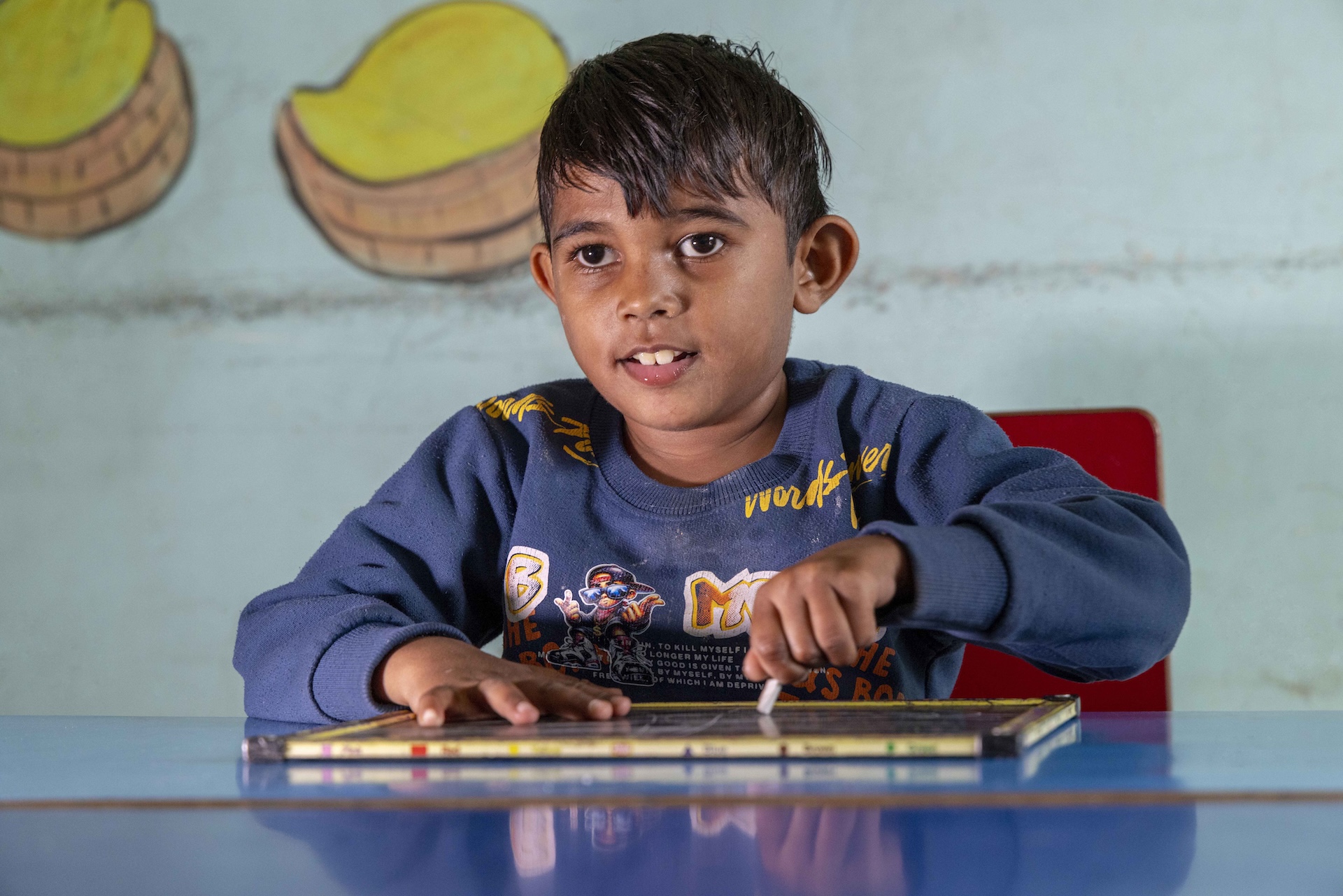
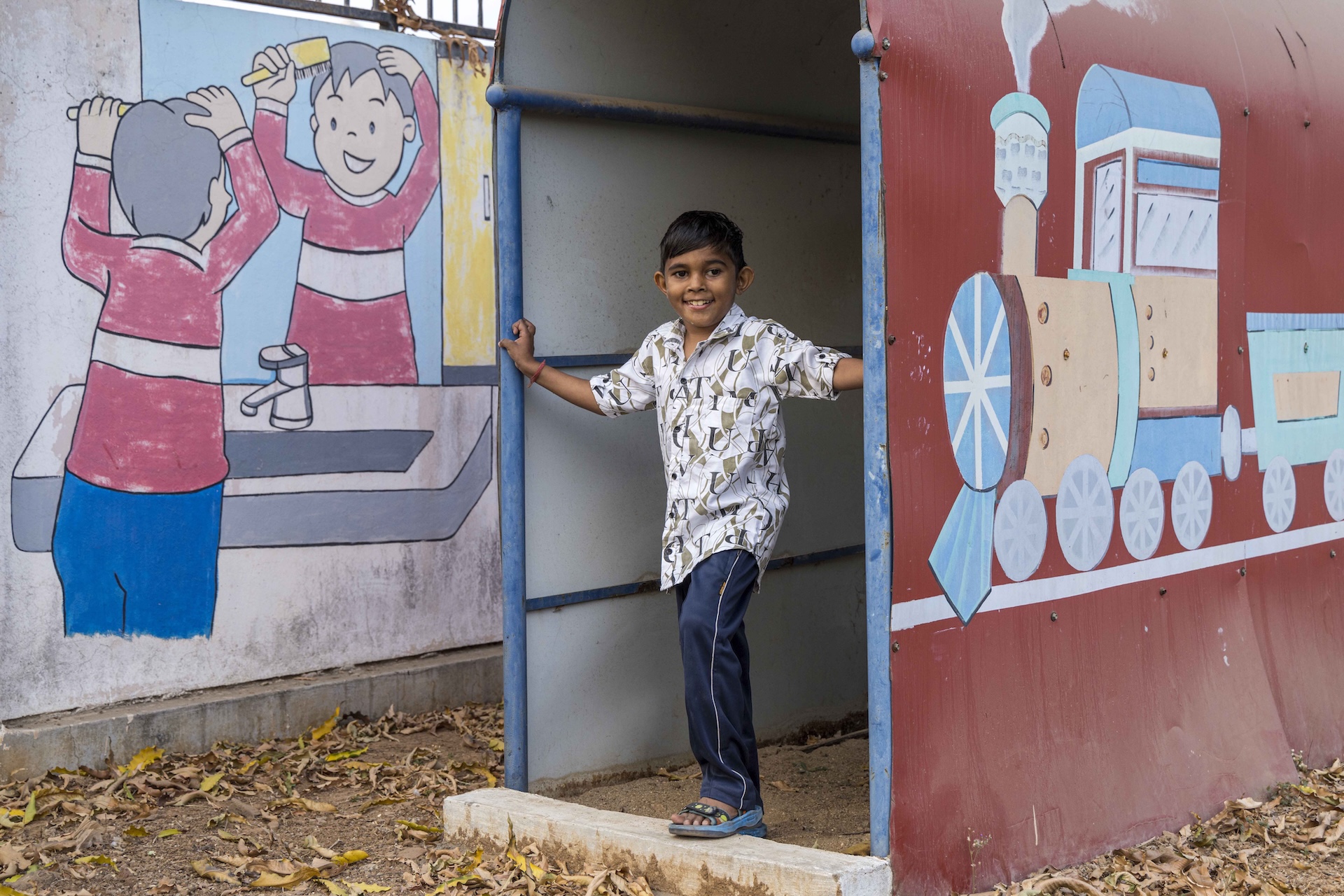
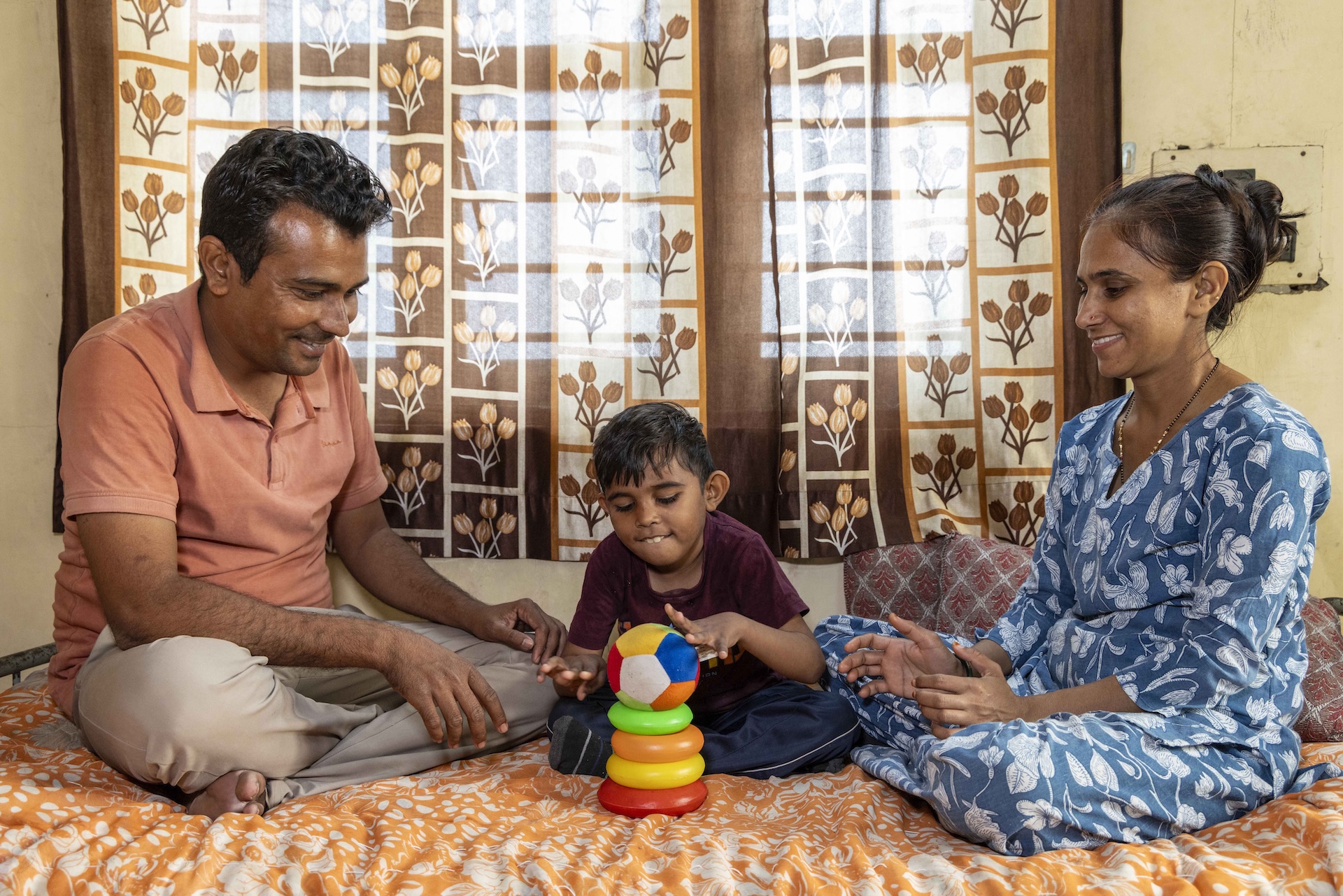

“I am getting speech therapy. I watch my favourite cartoons on my papa’s mobile”
Knowing that your child has a disability can disturb most parents. Knowing he has two disabilities might crush them. Nine-year-old Aman Kumar Nitinbhai from Mahisagar in Gujarat was just two when hospitals at Modasa and Vadodara confirmed he had the inherited blood disorder Thalassemia as well as Cerebral Palsy (CP).
At first his parents felt the heavens were falling, but then they realised they would themselves have to lift the dark cloud off their shoulders. Nitin Kumar and Manishaben, both aged 35 now, narrated how they sought and found the right path towards their son’s well-being, step by steady step.
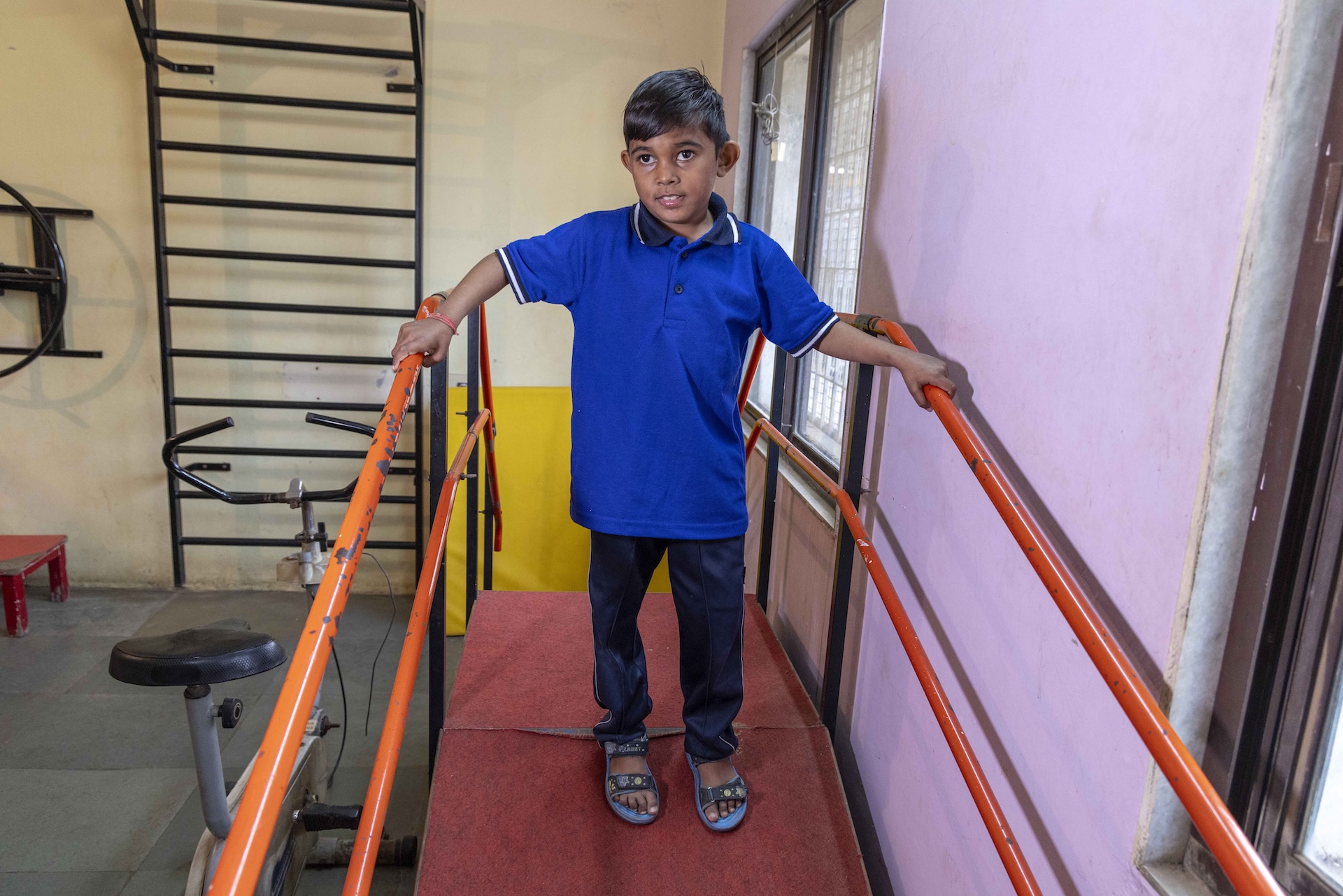
Thalassemia entails blood transfusions, the frequency depending on the type and severity of the condition, while CP affects speech and movement. Manisha recounts that Aman started sitting up at three and walking at five. He can only use his right hand, his gait is slow and unsteady, and once he sits down he cannot get up by himself. His speech is limited to a few bi-syllabic words. Manisha says. “He can only say pa-pa and da-da; he cannot even say ma-ma.”
In Dahod they found the right environment at the Blind Welfare Council school, where Aman is enrolled. Manisha, who has an M.A. in Hindi, completed the Council’s two-year diploma course in special education. She has learnt to handle children with CP, Intellectual Disabilities, Blindness and Specific Learning Disabilities, and so she is able to play a central role in her son’s development, patiently helping him learn the activities of daily living. Through the combined efforts of his mother and his teachers Radhika Singh and Bharat Patel, Aman has gradually learned to manage simple tasks. He communicates only with signs or actions but he is undergoing speech therapy.
Nitin Kumar is employed as a driver at the school and the family lives in a two-room house on the same premises. Nitin says a doctor in Rajkot prescribed thalassemia medicines that, for the past three years, have effectively stopped the need for transfusions, which comes as a huge relief. “All the teachers at his school are kind and supportive,” says Nitin. “Since he cannot communicate with strangers he has no friends. When our relatives and friends come home he recognises them, identifying them through his signs and expressions. Similarly he can identify domestic animals like dog, cow and goat.”
Every day Aman attends school from 9 a.m. to 4.30 p.m. He arranges building blocks and draws lines since he cannot write. Learning life skills is an important part of his routine. At home he revels in simple pleasures: playing with his toys, riding his tricycle, and going for a spin on his father’s bike. He loves watching cartoon films on Nitin’s mobile; once it is switched on and handed to him he knows how to select his favourite films on YouTube. He likes to exercise and, unlike most children who don’t care much for baths, enjoys taking a shower! He has a hearty appetite: besides dal and rice he is fond of buttermilk, pakoda, and Manchurian snacks, and has a weakness for lemon sharbat (lemonade).
Aman’s parents are naturally worried about his future, unsure how to obtain continuing, sustained support for his development. One hopes the unwavering encouragement of his family and teachers would guide him toward a more independent future.