
aisha
aisha ishfaq , jammu & kashmir


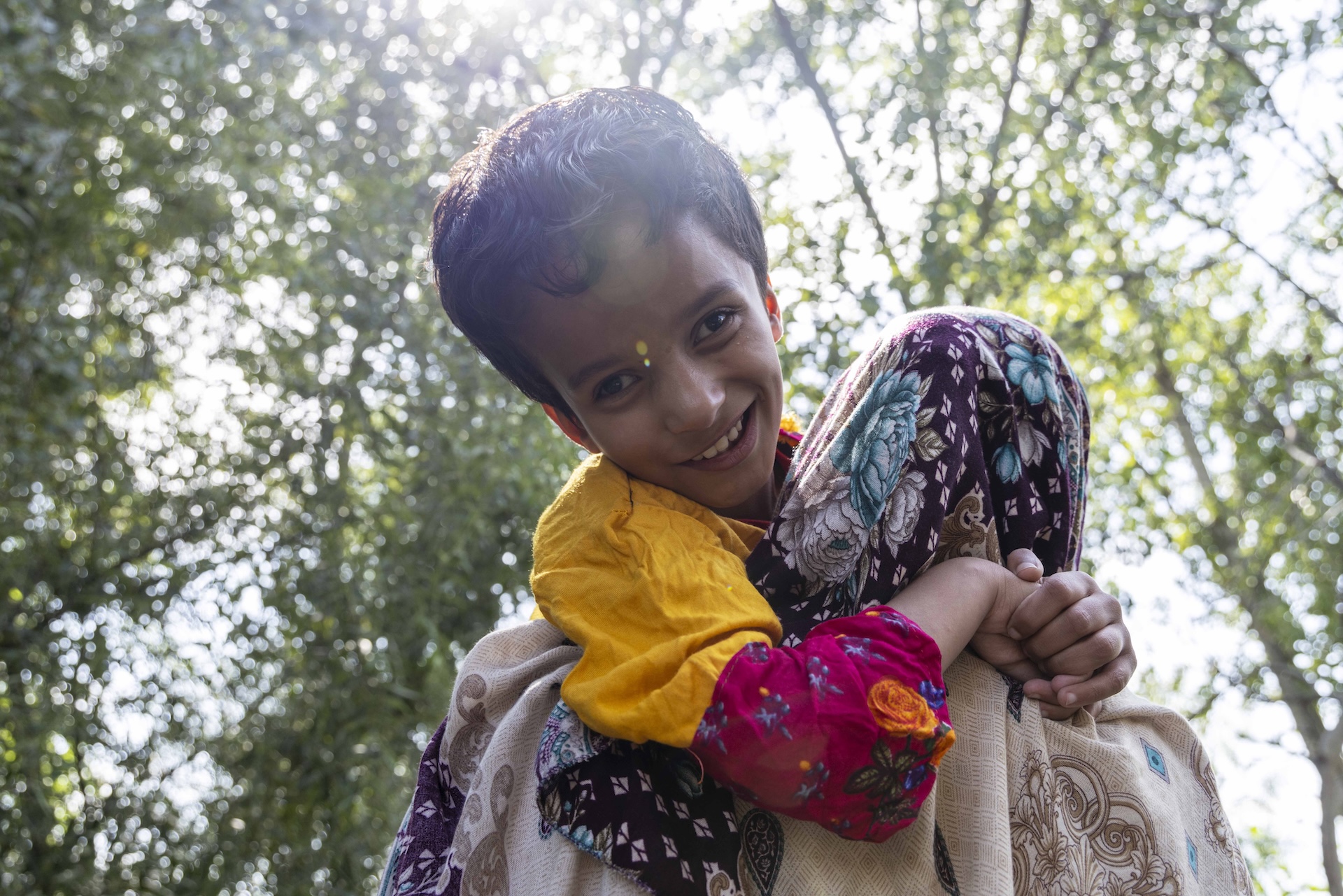
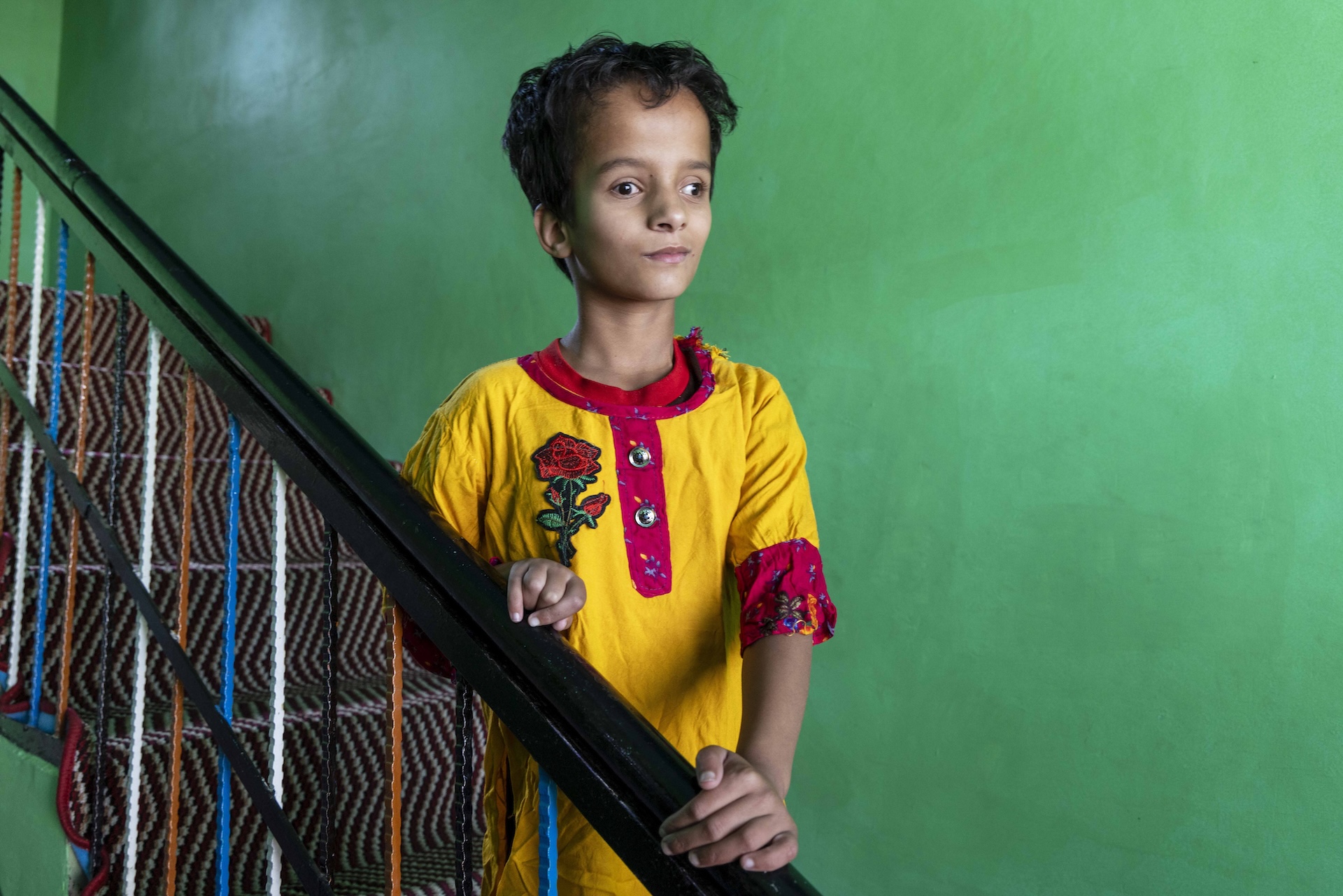
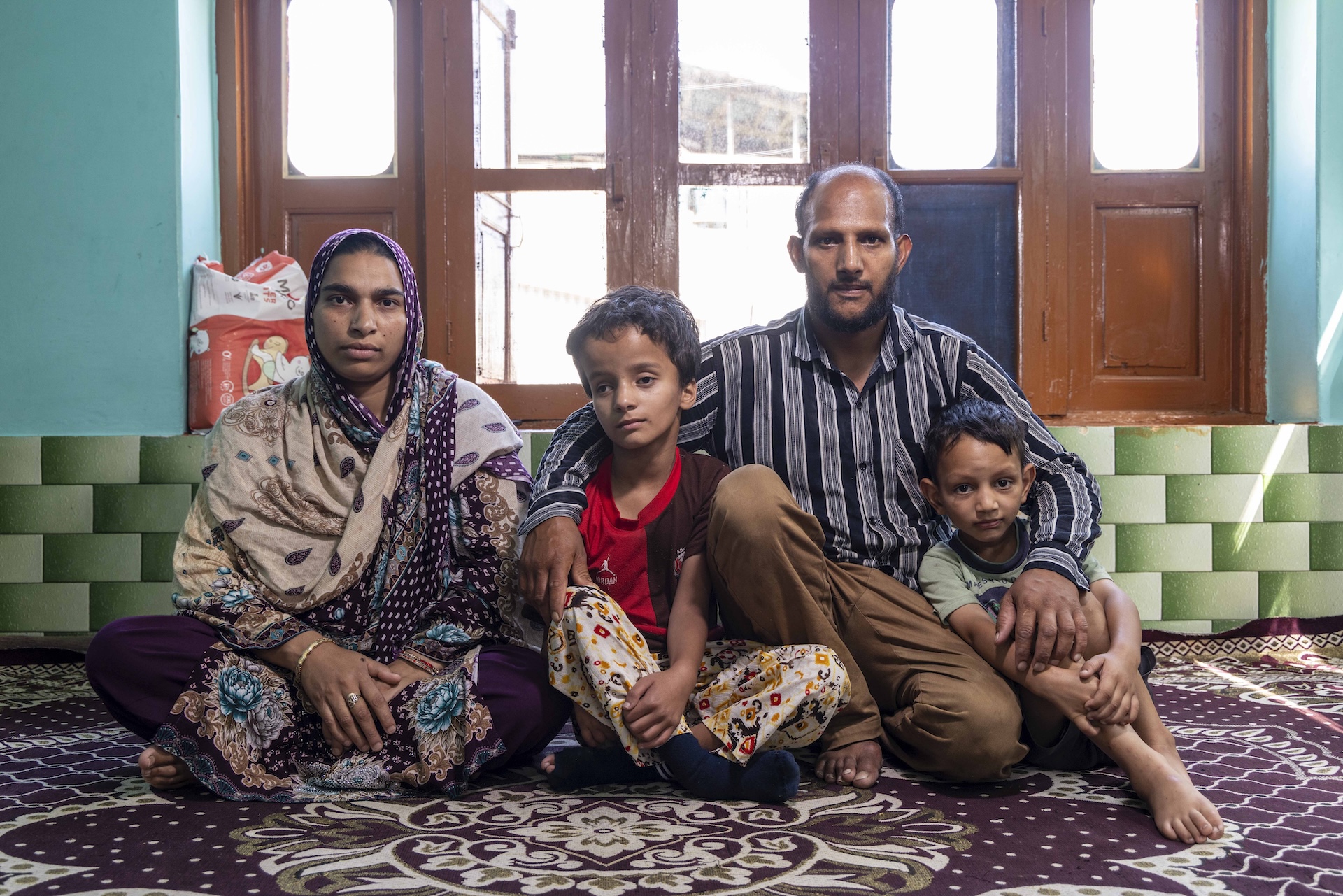
“I like playing with my brother. My parents carry me because I have no wheelchair”
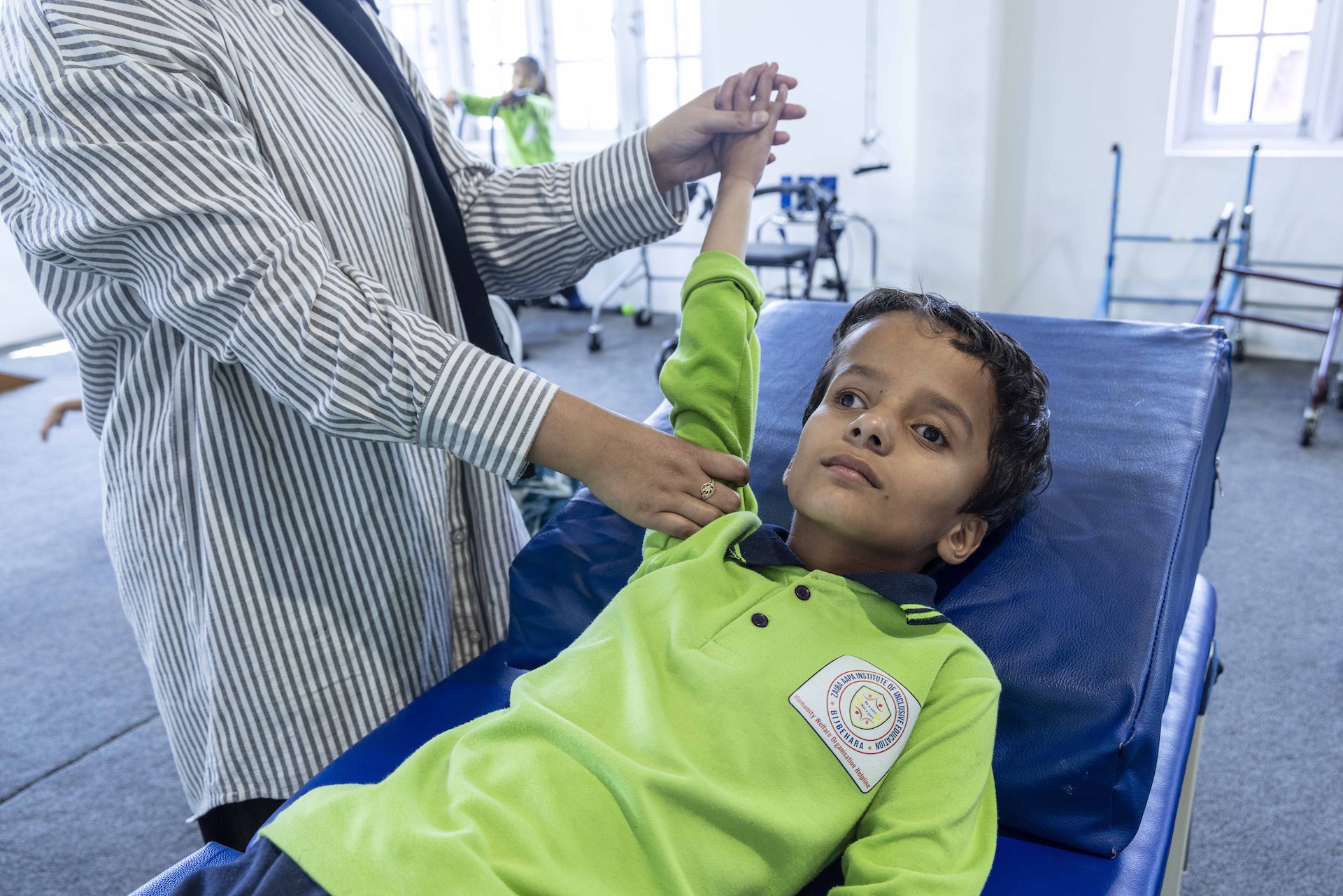
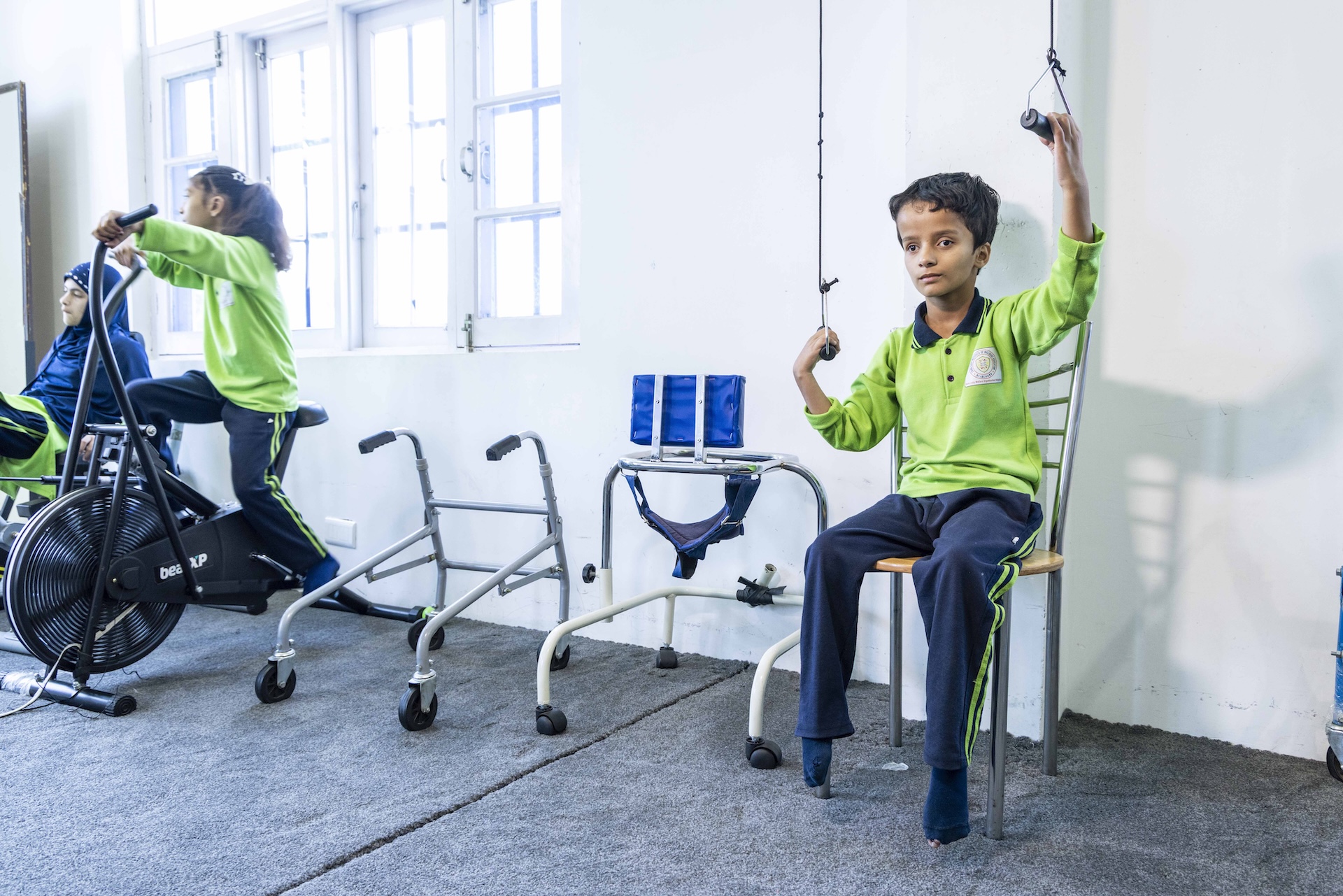
Aisha Ishfaq (9) was undergoing physiotherapy when our photographer Vicky Roy clicked her at the Zaiba Aapa Institute of Inclusive Education at Bijbehara in Jammu and Kashmir’s Anantnag district. She was getting her exercises on the physio table, pulling weights with a suspension trainer, and practising walking by holding on to parallel bars.
“She is 60 per cent better than when she was a baby,” said her father Ishfaq Ahmad Ahangar (32), speaking from their home in Jablipora. Ishfaq, who makes and sells rotis, described how their firstborn was around six months old when he and his wife Shani Jan (31) observed that one side of her head was swelling. “We rushed her to the hospital and they told us there was water in her head,” he said. “They did a surgery and put in a shunt to drain the water.” Hydrocephalus is the result of a build-up of cerebrospinal fluid in the brain. A shunt is a flexible tube a paediatric surgeon inserts inside the brain to divert the fluid so that it flows to a part of the body, such as the belly, that can absorb it.
Lubna Ameen, a physiotherapist at the Zaiba Aapa Institute, told us Aisha has multiple disabilities. Besides hydrocephalus, she has cerebral palsy, and a deformity in the right foot and wrist. “We identified her as having a mild intellectual disability,” Lubna said. “Before she was not even able to stand, but with our physiotherapy she is able to stand and move a bit without support. She can indicate when she wants to relieve herself, and then the didi (caretaker) takes her to the bathroom.” Lubna informed us that Aisha has now started playing with the other children, which she was unable to do earlier. When people donate clothes to the Institute and she gets a new outfit she is thrilled, and expresses her happiness visibly.
Ishfaq said, “Aisha can barely speak, but she communicates to us and we can understand her.” Both parents told us a wheelchair would be of great help to her and to them since she is getting too big to be carried. “As she cannot walk we can’t take her out much,” said Ishfaq. “Our house is far from the road down which the school vehicle comes. I need to carry her till there and then bring her back too. During those times I keep my roti-making shop closed.” He added, “We can’t depend on relatives for her help. She is our daughter and we ourselves have to take care of her and all her needs. It is our responsibility to do what best we can do for her.”
Shani Jan, who only knows Kashmiri, told us (with Ishaq interpreting for her) that they had been married for 10 years, and that she is a housewife. “Aisha is not toilet trained and so she soils her clothes,” she said. “We have to keep her in diapers, which are expensive.” She described her daughter as an uncomplaining child who never kicks up a fuss and enjoys whatever food she is served. She likes playing with her four-year-old brother Azan.
Shani is touched by how Aisha observes what they do around the house and tries her best to lend a hand in whatever little way she can. “She sometimes tries to help me in household chores, like sweeping,” said Shani. “That gives us such joy – to know that she watches us and tries to help us in her own way.”